


Tracing the American Civil War: A Journey Through Historic Battlegrounds and Heritage Towns
As I set out on my journey to explore the American Civil War‘s most significant sites, I couldn’t help but feel a mix of excitement and solemnity. These hallowed grounds, where countless lives were lost and the fate of a nation hung in the balance, still resonate with the echoes of history. Join me as I recount my experiences visiting some of the most pivotal battlefields and heritage towns that played crucial roles in this defining conflict.
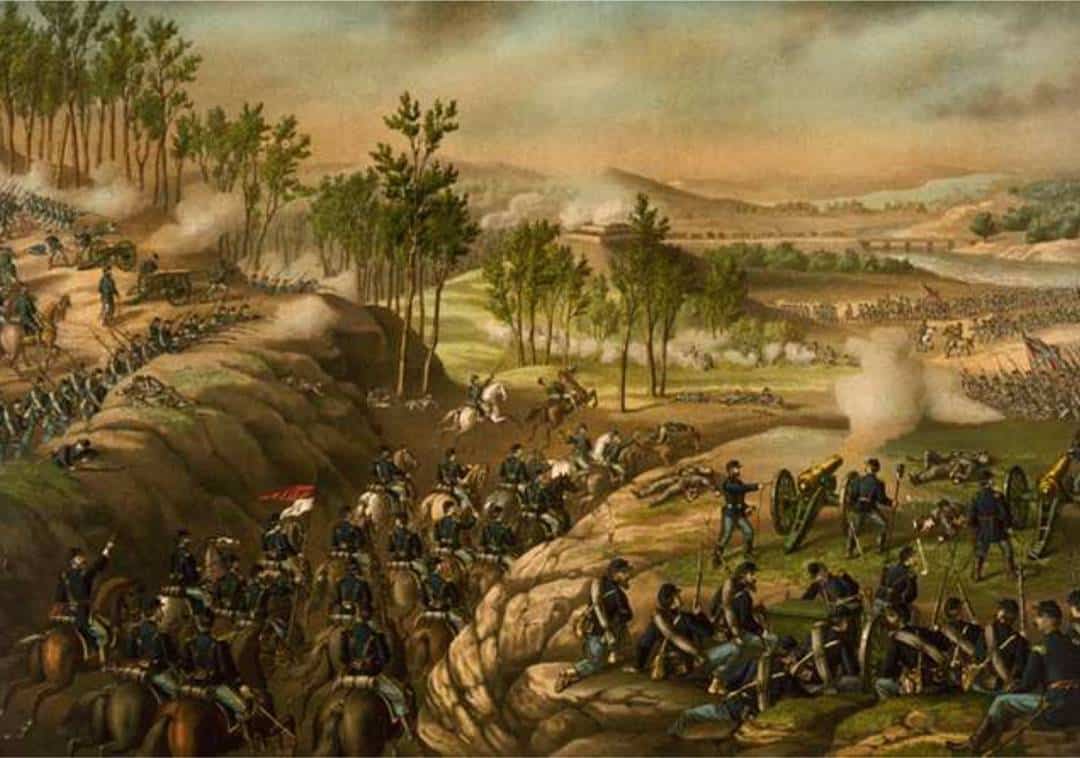
How to travel comfortably between historic 19th-century American Civil War cities
When it comes to transportation, convenience is paramount. Booking transfers in advance can help you bypass potential scheduling issues, especially if you’re visiting during major commemorative events or popular tourist months. A practical option is to use luxury car transfer for arranging comfortable trips between these locales. By reserving your rides beforehand, you can adapt your schedule with ease, skip last-minute transportation hassles, and maintain a steady focus on the historical journey you’ve set out to experience.
Fort Sumter: Where It All Began
My first stop was Fort Sumter in Charleston, South Carolina. Standing on the very spot where the first shots of the Civil War were fired, I felt a chill run down my spine. The fort’s weathered walls seemed to whisper tales of that fateful day in April 1861 when Confederate forces opened fire, igniting a conflict that would reshape America forever.
Manassas: The Illusion of a Quick War Shattered
Next, I ventured to Manassas, Virginia, site of the war’s first major land battle. As I walked across the rolling fields, I tried to imagine the chaos and confusion of that July day in 1861. It was here that both sides realized this would be no short affair, and where “Stonewall” Jackson earned his legendary nickname.
Shiloh: A Brutal Awakening
My journey then took me to Shiloh, Tennessee. The serenity of the landscape today belies the ferocity of the fighting that occurred here in April 1862. As I stood in the infamous “Hornet’s Nest,” I reflected on how this battle shattered any remaining illusions about the war’s potential brevity and cost.
Antietam: The Bloodiest Day
The fields of Antietam in Maryland left an indelible impression on me. Walking along Bloody Lane, I was struck by the sheer scale of the carnage that unfolded here on a single day in September 1862. Yet, from this bloodshed came a pivotal moment: Lincoln’s issuance of the Emancipation Proclamation, forever altering the war’s purpose and scope.
Gettysburg: A Turning Point
No Civil War journey would be complete without a visit to Gettysburg, Pennsylvania. As I climbed Little Round Top and gazed out over the field of Pickett’s Charge, the weight of the decisions made here in July 1863 felt palpable. This hallowed ground, where Lincoln later delivered his immortal address, truly embodies the war’s transformative impact on the nation.
Vicksburg: The Gibraltar of the Confederacy Falls
Traveling to Vicksburg, Mississippi, I was struck by the ingenuity and perseverance displayed during the 47-day siege in the summer of 1863. Walking through the preserved trenches and earthworks, I gained a new appreciation for the strategic importance of this Mississippi River stronghold and the brilliance of Grant’s campaign to capture it.
The Wilderness: Hell in the Underbrush
My exploration of the dense woods of the Wilderness battlefield in Virginia was a sobering experience. Here, in May 1864, the nature of warfare changed dramatically. As I tried to navigate the thick undergrowth, I could only imagine the terror of fighting in these conditions, with the added horror of forest fires ignited by battle.
Richmond: Capital of a Crumbling Cause
In Richmond, Virginia, I witnessed the rise and fall of the Confederacy through its numerous historic sites. From the White House of the Confederacy to the Tredegar Iron Works, the city offers a comprehensive look at the Southern war effort and its eventual collapse.
Appomattox Court House: The End of the Long Road
My journey concluded at Appomattox Court House, where Lee surrendered to Grant in April 1865. Standing in the McLean House parlor, where the terms of surrender were finalized, I felt a profound sense of closure and hope for reconciliation.
As I reflected on my travels, I realized that these sites are more than just markers of past events. They are living classrooms, offering invaluable insights into our nation’s most trying period. Each battlefield and heritage town I visited added another layer to my understanding of the Civil War’s complexity and its enduring impact on American society.
This journey through time and across landscapes forever altered by conflict has deepened my appreciation for the sacrifices made by those who fought and died in the Civil War. It has also reinforced the importance of preserving these historic sites for future generations, ensuring that the lessons of our past continue to inform our present and shape our future.