
The Common Cold
What Helps vs. What Does Not
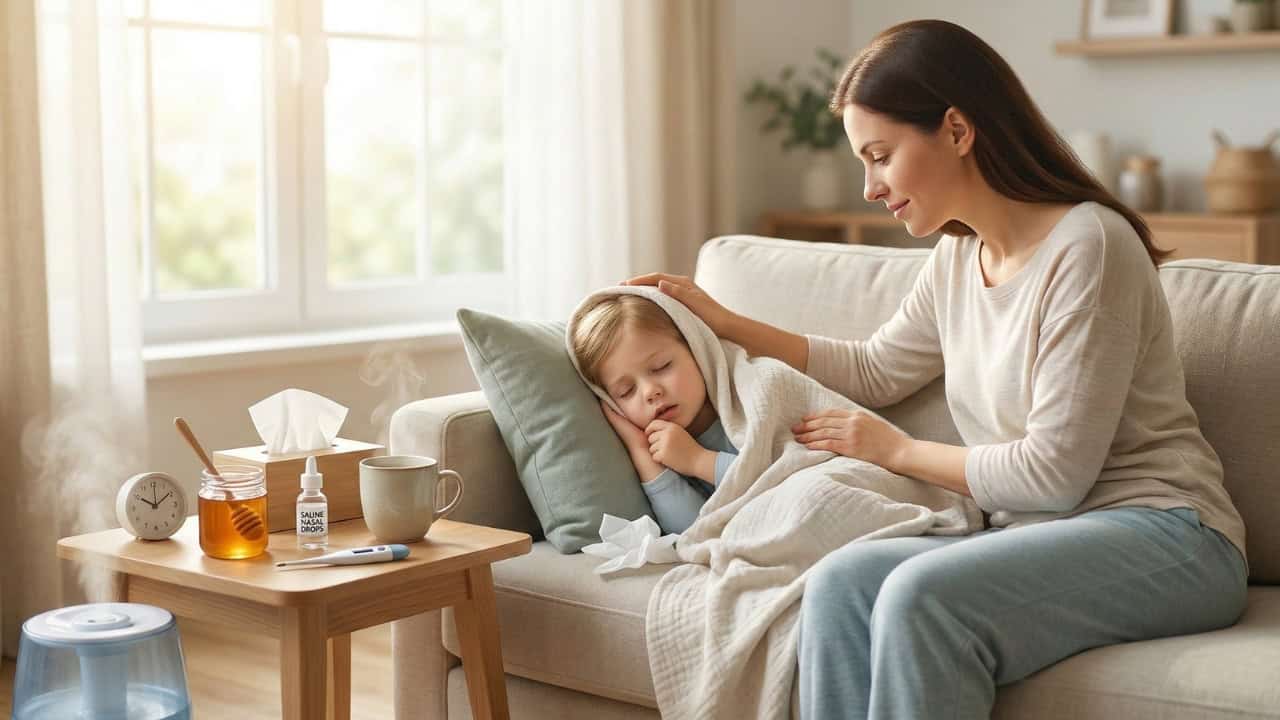
The average child under age six gets 6-8 colds per year. This is normal, developmentally expected, and actually supports immune maturation. The common cold is caused by a virus, meaning antibiotics are both ineffective and inappropriate. The pediatric medical community is clear on this point, and antibiotic overuse for viral illness is a significant public health concern.
Over-the-counter cold medications are not recommended for children under age six by the FDA and American Academy of Pediatrics due to potential side effects and absence of meaningful benefit in clinical trials. The evidence-backed options for managing cold symptoms in children are:
- Honey for cough: Studies show honey is more effective than placebo and comparable to dextromethorphan (the active ingredient in most OTC cough syrups) for nighttime cough relief in children. Use one teaspoon for children ages 1-5, one to two teaspoons for children 6-11. Never give honey to children under 12 months due to risk of infant botulism.
- Saline nasal rinse or drops: Saline (salt water) nasal irrigation is the most effective way to relieve nasal congestion in young children who cannot blow their own noses. Use a NoseFrida or gentle bulb syringe with isotonic saline drops.
- Steam and humidity: A cool mist humidifier in the child’s room or a steamy bathroom session (hot shower running, sit in the room for 10-15 minutes) helps loosen congestion. Keep humidifiers clean to prevent mold growth.
- Adequate fluids: Water, warm broth, and diluted apple juice (for older toddlers) keep mucous membranes moist and support immune function. Avoid juice for children under one year.
- Rest: The immune system does its most effective work during sleep. Protecting sleep time during illness is genuinely therapeutic.
Signs a Cold Has Become Something More Serious
- Fever above 103°F that is not responding to appropriate fever management
- Difficulty breathing, rapid breathing, or flaring nostrils
- Ear pain, persistent pulling at ears, or discharge from the ear
- Symptoms persisting beyond 10-14 days
- Any fever in an infant under 3 months of age
Fever Management at Home
What Temperature Is a Fever, and When Does It Need Treatment?
A rectal temperature above 100.4°F (38°C) is the pediatric definition of fever. A temperature between 100.4°F and 102.5°F in an otherwise comfortable child over 3 months old generally does not require medication. Fever is a sign that the immune system is working as intended: elevated temperature inhibits viral and bacterial replication.
| Child’s Age | Fever Temperature | Recommendation |
| Under 3 months | Any temperature above 100.4°F (38°C) | Call doctor immediately or go to ER |
| 3-6 months | 100.4°F-102°F | Call doctor for guidance |
| 3-6 months | Above 102°F | Call doctor |
| 6 months and older | 100.4°F-102.5°F | Monitor, comfort measures, no medication required |
| 6 months and older | 102.5°F-104°F | Acetaminophen or ibuprofen (6m+) as directed |
| Any age | Above 104°F (40°C) | Contact doctor immediately |
Natural Fever Comfort Measures
- Lukewarm bath (not cold): A lukewarm bath (around body temperature) can reduce surface temperature through evaporative cooling without triggering shivering, which paradoxically raises core temperature. Avoid cold baths.
- Light, breathable clothing: Remove heavy layers and let the body lose heat naturally. One light layer is appropriate for most fevers.
- Increased fluids: Fever increases fluid loss through sweating. Breastmilk, water, diluted electrolyte drinks, and warm broth all support hydration.
- Cool cloth on forehead: A cool (not cold) damp cloth on the forehead or back of the neck provides comfort without dropping core temperature unsafely fast.
Natural Sore Throat Remedies for Kids
Sore throats in children are most commonly caused by viruses and resolve on their own within 3-7 days. When accompanied by fever, swollen tonsils, and absence of cough, strep throat is possible and requires a strep test and potential antibiotic treatment from a doctor.
- Warm honey-lemon water: Honey coats the throat and has demonstrated antibacterial and anti-inflammatory properties. Lemon provides vitamin C. For children over 12 months, this is safe, effective, and welcomed by most children.
- Cold popsicles or ice chips: The cold provides local anesthesia for a sore throat and encourages fluid intake simultaneously. Homemade popsicles made from fruit juice or diluted electrolyte drinks are ideal.
- Salt water gargle: For children who can gargle safely (typically age 4-5 and up), one-quarter teaspoon of salt in 8 oz of warm water gargled and spat can reduce throat inflammation and bacterial load.
- Soft foods: Cold yogurt, applesauce, smoothies, and mashed foods minimize swallowing discomfort while maintaining nutrition.
Natural Remedies for Tummy Aches and Digestive Issues
Gas and Bloating
- Bicycle legs: For infants and young toddlers, gently moving legs in a bicycle motion helps move trapped gas through the intestines.
- Warm compress: A warm water bottle or heating pad on the lowest setting wrapped in a towel placed on the abdomen reduces cramping discomfort.
- Burping and movement: Keeping infants upright for 20-30 minutes after feeding and ensuring adequate burping during and after feeds prevents most gas-related discomfort.
Constipation
- Increase fiber foods: Prunes, pears, peaches, plums, and high-fiber vegetables are safe, effective first interventions for mild constipation.
- Prune or pear juice (for toddlers): 2-4 ounces of 100% prune or pear juice has a gentle laxative effect appropriate for toddlers over 6 months.
- Water: Dehydration is a leading contributor to constipation in children. Ensure adequate water intake before any other intervention.
Diarrhea and Upset Stomach
- The BRAT diet: Bananas, rice, applesauce, and toast are gentle binding foods that help firm stools during diarrhea. Current pediatric guidance suggests this should supplement rather than replace a normal diet.
- Oral rehydration: Pedialyte or a homemade electrolyte solution (1 liter water, 6 teaspoons sugar, half teaspoon salt) is the most important intervention for diarrhea management. Maintaining hydration prevents the main risk of diarrhea: dehydration.
- Probiotics: Research supports probiotic supplementation for reducing duration of infectious diarrhea in children. Lactobacillus rhamnosus GG and Saccharomyces boulardii are the best-studied strains.
Ear Discomfort
Ear pain in children can be caused by ear infections, Eustachian tube dysfunction, teething (referred pain), or changes in air pressure. A doctor should evaluate suspected ear infections, but for comfort while awaiting a medical appointment:
- Warm compress: A warm (not hot) pack held against the ear for 15-20 minutes provides significant pain relief for many children.
- Elevated positioning for sleep: Raising the head of the mattress slightly (or using an extra pillow for older children) reduces pressure on the Eustachian tube during sleep.
- Distraction and fluids: Swallowing encourages Eustachian tube equalization. Nursing, bottle feeding, or giving an older child something to sip can provide temporary relief.
Building Immunity Year-Round
The best remedy for childhood illness is a well-supported immune system. The evidence-backed strategies for maintaining immune health in children are straightforward and accessible:
- Adequate sleep: The immune system releases cytokines during sleep. Children who consistently sleep the recommended hours for their age have measurably better immune responses to illness.
- Nutritious diet emphasizing whole foods: Fruits and vegetables rich in vitamins C and A, zinc-containing foods like meat and beans, and probiotic foods like yogurt all directly support immune function.
- Regular outdoor activity: Physical activity increases circulation and immune cell activity. Outdoor exposure (particularly in diverse microbial environments like parks and playgrounds) also supports the microbiome, which modulates immune response.
- Vitamin D: Many children in northern climates are deficient in vitamin D, which plays a critical role in immune regulation. Discuss appropriate supplementation with your pediatrician.
- Hand washing: The single most evidence-supported intervention for reducing transmission of infectious illness. Proper 20-second soap and water hand washing is more effective than any supplement or remedy.
| Meghna’s Note
Both of my children have been through the gauntlet of childhood illness, and honey became my most reliable ally the moment my pediatrician confirmed it was safe. I keep a good quality raw honey in the kitchen year-round. For anything more concerning, my rule is simple: if I am uncertain, I call the doctor. Home remedies are for comfort and mild management, not for replacing professional guidance when something feels off. |
Frequently Asked Questions
What are the best home remedies for a sick toddler?
The best evidence-supported home remedies for a sick toddler with a cold include honey for cough (children over 12 months), saline nasal drops and a NoseFrida for congestion, a cool mist humidifier, plenty of fluids, and extra rest. For fever, lukewarm baths, light clothing, and adequate fluids are the primary comfort measures.
Can honey help a child’s cough?
Yes. Multiple clinical studies have found that honey (specifically half to one teaspoon given 30 minutes before bedtime) is effective for reducing nighttime cough severity and improving sleep in children ages 1-5. Honey should never be given to children under 12 months due to risk of infant botulism.
When should I take my child to the doctor for a cold?
Take your child to the doctor if they are under 3 months old with any fever, if fever is above 104°F, if the child has difficulty breathing, if symptoms worsen after 7 days or persist beyond 10-14 days, if ear pain or discharge develops, or if the child becomes very lethargic or refuses to drink fluids.
What are natural ways to reduce a child’s fever?
Natural ways to reduce fever discomfort include a lukewarm bath, removing heavy clothing, ensuring adequate fluid intake, and a cool damp cloth on the forehead. These measures address comfort without suppressing the fever response. For temperatures above 102.5°F in children over 6 months, your pediatrician can advise on appropriate dose of acetaminophen or ibuprofen.
Are probiotics good for kids who are sick?
Yes for specific conditions. Research supports probiotic supplementation for reducing the duration and severity of infectious diarrhea in children. Lactobacillus rhamnosus GG is the best-studied strain for this purpose. For cold and flu, evidence is less conclusive, though regular probiotic consumption is associated with generally lower rates of respiratory illness in children who take them consistently.
| QUICK ANSWER
The most evidence-supported natural remedies for common childhood illnesses include: honey (for cough in children over 12 months), saline nasal rinse (for congestion), lukewarm baths and adequate hydration (for fever management), the BRAT diet with probiotics (for upset stomach and diarrhea), and a warm compress (for ear discomfort). Always consult a pediatrician for fever in infants under 3 months, fever above 104°F, difficulty breathing, or symptoms lasting more than 7-10 days. |
| Important Medical Note
This article covers mild, common childhood illnesses and evidence-supported home care options. It is not a substitute for medical advice. Always consult your child’s pediatrician for symptoms that are severe, unusual, or persistent, for any fever in an infant under 3 months, or when you are uncertain about your child’s condition. |