
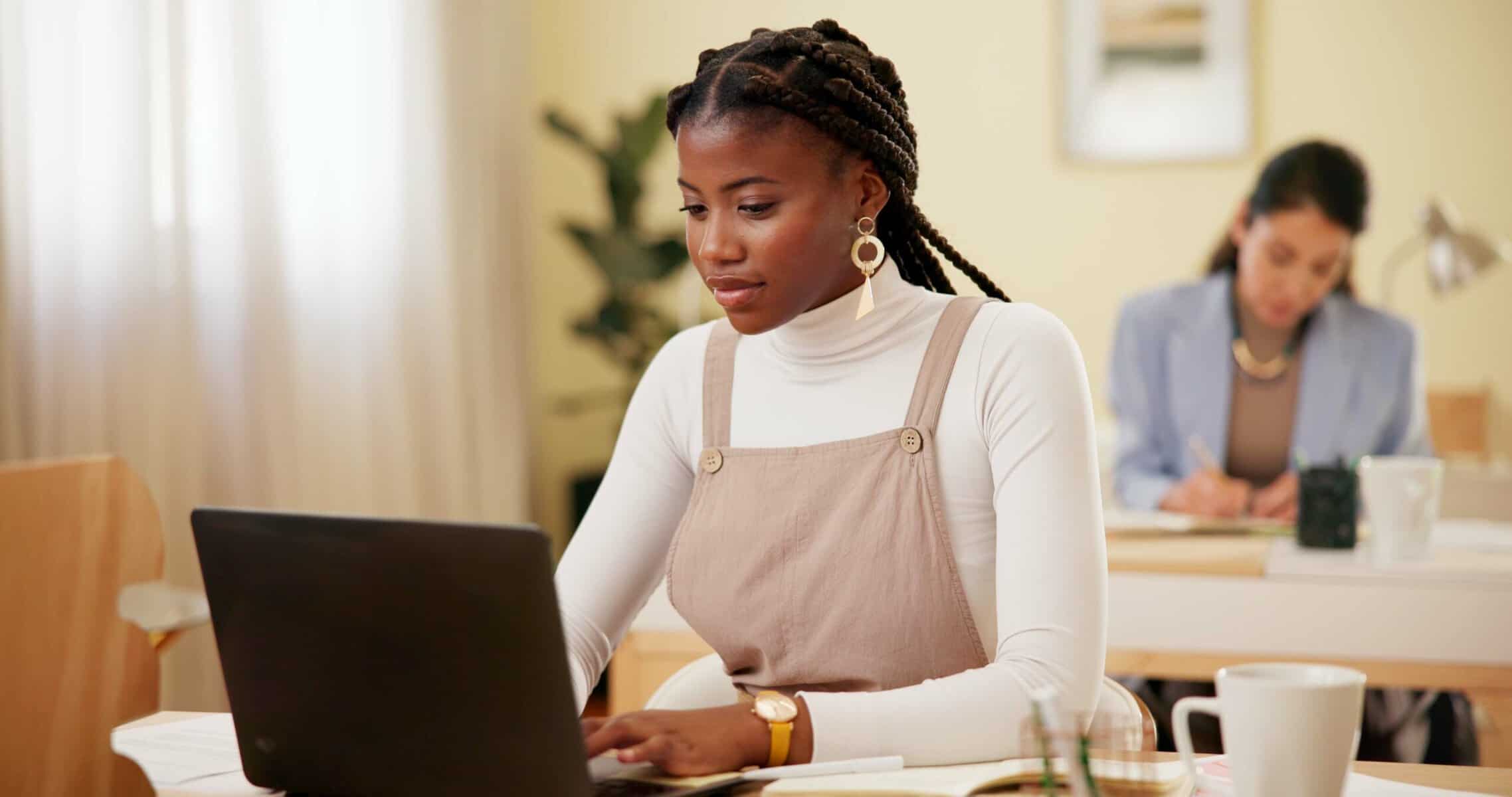
There are so many women who, from the outside, look completely fine.
They are showing up to work.
Answering texts.
Managing their homes.
Taking care of people they love.
Meeting deadlines.
Holding conversations.
Keeping things moving.
They are functioning.
But that is not the same thing as truly being well.
I think a lot of women live in a state that I can only describe as survival mode…a place where they are technically handling life, but not necessarily feeling good inside of it. They are getting through the day, but often at the cost of themselves.
And the hard part is that this state can become so normal that many women barely even recognize it for what it is.
It can look like being tired all the time but brushing it off.
Feeling emotionally stretched thin but continuing to say yes.
Feeling disconnected from your body but not having the space to slow down and ask why.
Feeling anxious, depleted, irritable, overstimulated, hormonally off, burned out, or just not like yourself, all while still being expected to perform as though none of it is happening.
That is survival mode.
It is not always dramatic. In fact, a lot of the time it is incredibly quiet.
It looks like waking up already behind.
Like carrying a mental checklist from the moment your eyes open.
Like never fully resting, even when you technically have time to rest.
Like being so used to managing everyone else’s needs that your own needs start to feel inconvenient.
Like functioning on stress for so long that calm starts to feel unfamiliar.
So many women are living this way.
And yet it is often framed as normal.
Women are praised for being the ones who hold everything together. We are conditioned to be capable, adaptable, emotionally aware, productive, nurturing, resilient, and low-maintenance all at once. We are taught to push through discomfort. To not be “too much.” To keep going. To be grateful. To stay composed. To make it work.
Over time, that conditioning becomes a lifestyle.
And eventually, many women stop asking themselves an important question:
How do I actually feel?
Not how am I functioning.
Not what am I getting done.
Not what am I managing well enough for other people to think I’m fine.
How do I actually feel?
Because the truth is, a woman can be incredibly high-functioning and still be deeply depleted.
She can be successful and disconnected.
Capable and overwhelmed.
Loved and lonely.
Disciplined and exhausted.
Productive and completely out of touch with what her body is trying to tell her.
That disconnect has real consequences.
When women live in chronic stress, chronic overextension, and chronic self-abandonment, it does not just affect mood. It affects the body. It affects sleep, hormones, energy, libido, digestion, focus, patience, emotional regulation, and the ability to feel present. It affects how a woman shows up in her relationships, in her work, and in her own inner world.
And yet so many women are left thinking this is just what adulthood feels like.
Just being tired.
Just being stressed.
Just being busy.
Just having a lot going on.
But there is a difference between having a full life and living in a constant state of internal depletion.
I think many women have become fluent in coping, but disconnected from noticing.
They know how to get through the week.
They know how to compartmentalize.
They know how to smile when they are tired.
They know how to keep producing even when they feel hollowed out.
They know how to minimize what they are carrying because somewhere along the way, they learned that pausing might inconvenience someone else.
That is one of the most painful parts of survival mode: it can make a woman so focused on keeping life afloat that she loses touch with herself in the process.
And when that happens long enough, she may not even remember what it feels like to feel fully grounded, fully energized, fully clear, or fully like herself.
This is why these conversations matter.
Because I do not think women need more messaging telling them to optimize themselves while they are already drowning. I do not think they need more pressure to be perfect, balanced, high-performing, glowing, calm, healthy, ambitious, present, and effortlessly put together all at once.
I think they need permission to tell the truth.
To admit that functioning is not the same as flourishing.
To admit that being “fine” is sometimes a performance.
To admit that carrying everything has a cost.
To admit that just because something is common does not mean it is healthy.
So many women are not failing.
They are overloaded.
They are under-supported in systems that expect endless output.
They are navigating stressors that are emotional, physical, hormonal, logistical, relational, and often invisible.
They are trying to be everything to everyone while still finding a way to stay connected to themselves.
That is a lot for any person to carry.
And I think one of the most powerful things we can do is start naming this reality more honestly.
Not to make women feel fragile.
Not to encourage helplessness.
But to create language around experiences that are too often minimized.
Because once a woman can name what is happening, she can start to question it.
She can start to ask whether the way she is living is truly sustainable.
She can start to notice what her body has been trying to say.
She can start to believe that her exhaustion is not a personal failure, and that her needs are not an inconvenience.
She can start to come back to herself.
That matters.
Women deserve more than a life they are constantly recovering from. They deserve more than survival mode dressed up as success. They deserve more than being applauded for how much they can endure.
They deserve support.
They deserve rest.
They deserve clarity.
They deserve to feel at home in themselves again.
And they deserve conversations that remind them that just because they have learned how to function through so much does not mean they were meant to live that way.
That, to me, is where real support begins.
And that, in many ways, is part of what Club MamaBee is meant to hold space for.
Not perfection.
Not performance.
Not another place where women feel pressure to have it all figured out.
But a space for honesty. For reflection. For the kinds of conversations that help women feel less alone in what they are carrying or building or feeling. A space that recognizes that women are whole people, not just what they produce, not just what they manage, and not just how well they hold everything together on the outside.
Because sometimes the first step out of survival mode is simply being reminded that you are allowed to want more than just getting through the day.
And that reminder can change everything.