

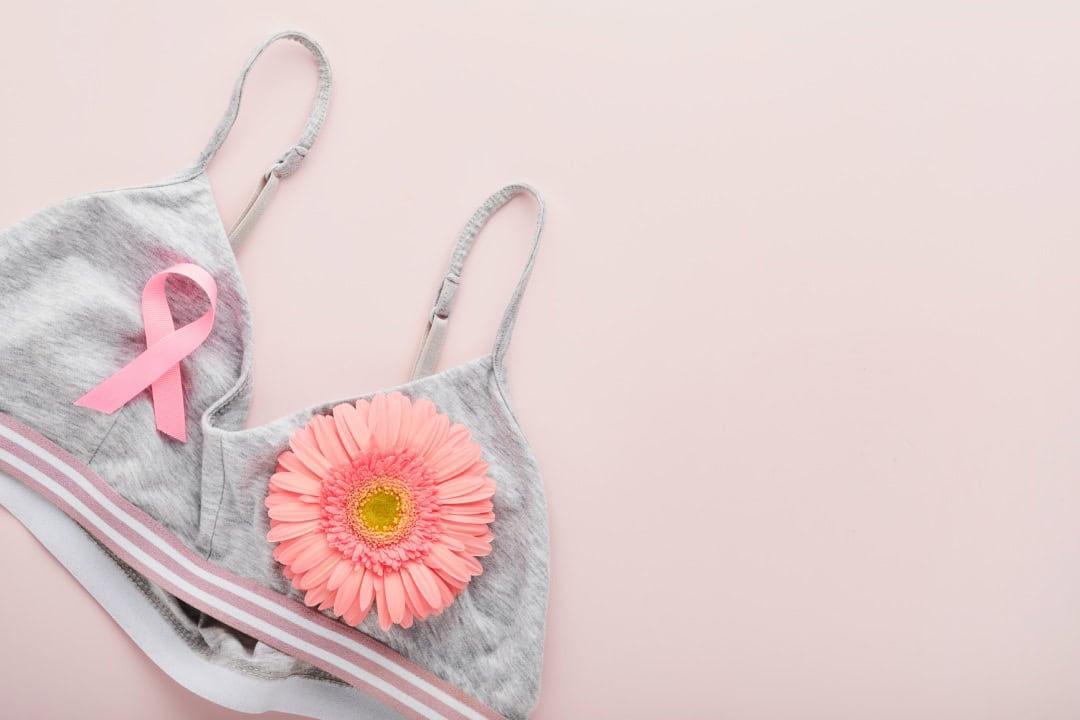
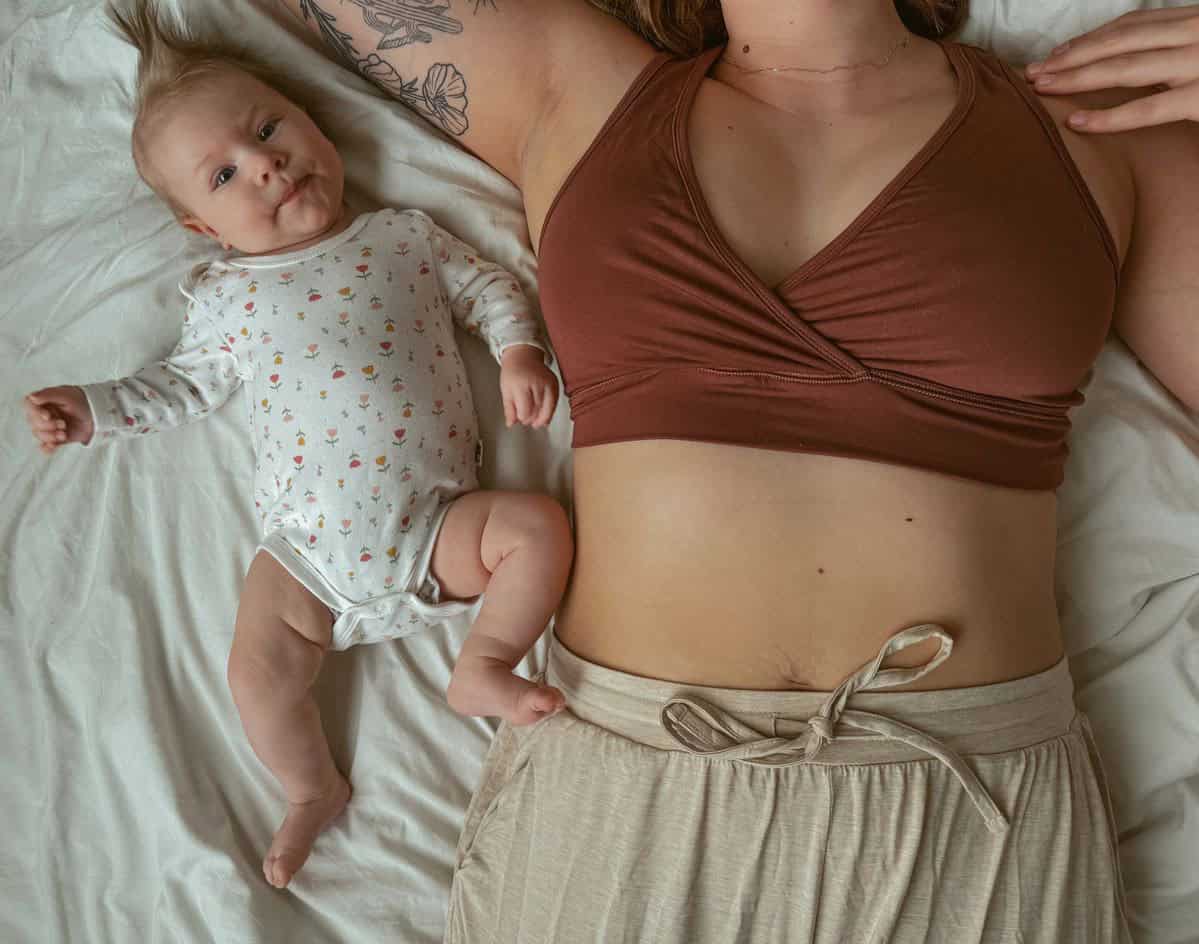
New life stages such as pregnancy and postpartum bring a lot of changes along — new routines, changing priorities, and a body that changes, of course. Probably, the biggest challenge pregnant women have to deal with is how to provide the right support to their expanding and later-feeding breasts. Nursing bras are the most important item among the many maternity necessities. However, a lot of women keep wondering: at what time should nursing bras be bought?
Choosing the correct timing for the purchase will not only be comfortable but also very practical because the size and shape of the breasts will keep changing during pregnancy and after the delivery. Below is a full guide that provides the best help in making the right decision and having the best fit during every stage of motherhood.
When to Buy Nursing Bras: The Big Question
When to buy nursing bras is mainly a question of pregnancy progress and the amount of change in the breasts. Generally, the advice is to buy your first nursing bras in the second or early third trimester of pregnancy — roughly between week 28 and 32. At this point, the breasts are typically the ones that have grown the most in the next four weeks for milk production. If you are looking for some, figuring out nursing bras for large breasts style and support tips can be a great source of help to get the best solution that will both offer comfort and support during this period of rapid change.
But it is equally necessary to keep in mind that breasts can become larger again when milk starts to be produced after delivery. As a result, a lot of mothers decide to have two pairs: one for the time of pregnancy when they need instant comfort and the other after the birth of the baby for the ideal postpartum fit.
Why Timing Your Purchase Matters
Both situations of buying too early or too late can cause problems. If nursing bras are bought early during pregnancy, it is possible that they will not fit in the third trimester. On the other hand, if the purchase is postponed until after the birth, a new mom may be left without support when she needs it the most.
Purchasing properly timed bras can also avoid the problems mentioned above, which the wearing of bad-fitting bras, such as discomfort, back pain, and poor posture, can cause. Maternity and nursing bras are made to give a comfortable stretch, additional hooks, and adjustable straps that will change with the body.
A good number of people would say that a nursing bra that fits well and is bought before the birth is not only a source of physical comfort, but also emotional support – a thing they might think less of during the hectic change to motherhood.
Buying During Pregnancy: What to Look For
Keep comfort, flexibility, and adjustability as your top priorities when buying clothes while pregnant. Pick nursing bras that are of a stretchable fabric, have multiple hook-and-eye closures, and wide straps so that both growing breasts and rib cages can be fitted without any problem.
Without a doubt, a very important condition for the breast tissue and milk ducts not to be pressured is the supportive underband and non-restrictive cups. If you are in need of a size, figuring out fitting services for pregnant women, which many maternity stores offer, can be really useful.
For more personalized advice, check nursing bras for large breasts articles that not only help you with style and support but also let you know how to choose bras that can offer both ease and stability to heavier breasts.
Buying Right Before or After Birth
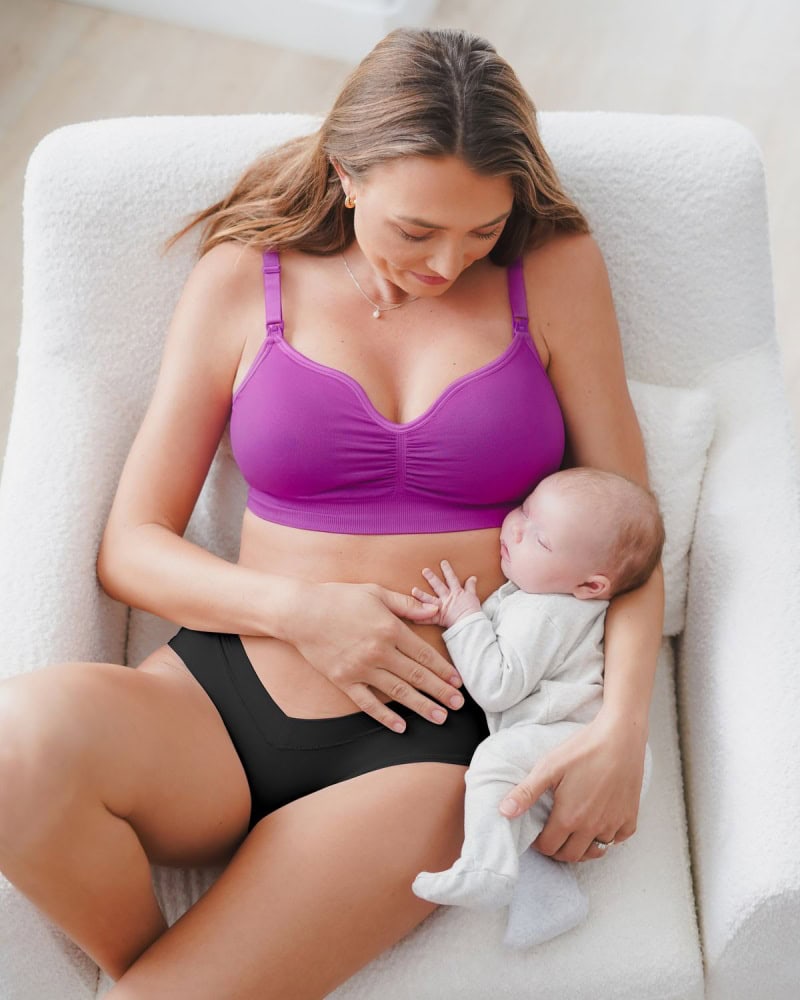
Typically, the best time to get a second set of nursing bras would be about a week or two after the delivery. At that point, the milk production is generally controlled, and the breast size becomes steady.
The breasts can be overly full or change in size for a few days after the baby has been born, as the body is getting used to feeding the infant. It is definitely more comfortable and supportive to select a bra for everyday use once everything has calmed down.
Moreover, bras with easy nursing clips, removable padding, and soft fabrics for sensitive skin can also be considered at this point. Do not use any binding — comfort and breathability should be given priority over support during the recuperation period.
How Many Bras Will You Need
How many nursing bras you need is determined by your lifestyle and the frequency of feeding, but usually it is recommended to have at least three to four bras:
- One to wear
- One to wash
- One to spare
A lot of mothers discover that it is very convenient to have a few additional ones if they happen to leak, thus making the laundry rotation much easier. You can also wear a combination of day, sleep, and nursing bras to be comfortable and versatile.
Tips for Sizing and Future Changes
Picking the appropriate size is very important in terms of both comfort and purpose. As breasts and rib cages are known to change, a professional measurement should be done at least twice – once during the second trimester and again after delivery.
Here are a few practical sizing tips:
- Ensure space to expand. The bra must be able to be comfortably worn on the loosest hook during pregnancy so that it can be tightened later after delivery when the rib cage is contracting.
- Do not use compression. Nursing bras should be comfortable and not tight. Compressions may block milk ducts and cause pain.
- Pick breathable, stretchable fabrics. For example, a cotton and spandex blend will give the skin the necessary flexibility while keeping it dry and cool.
- Choose wide straps and full coverage cups if you have large breasts, to distribute the weight evenly and prevent the shoulders from getting strained.
If you’re unsure what styles will give lasting comfort, explore nursing bras for large breasts, style and support tips, which cover how to achieve both lift and flexibility in bigger cup sizes.
Conclusion
It can be a big difference in total comfort, support, and ease if you know the right time to purchase nursing bras throughout your pregnancy and after. So, two or three good-fitting bras that were bought during the last stages of pregnancy will be the ones to give you the necessary support while your body is still changing, and a few more postpartum bras will just be the ones to offer you comfort once the milk production has leveled off.
Quality nursing bras are not only the perfect support for the breasts but also provide the nursing mother with confidence, ease, and comfort during her major life changes. Whether you buy early for comfort or later for fit, a wise decision will help you to be supported at all times.