


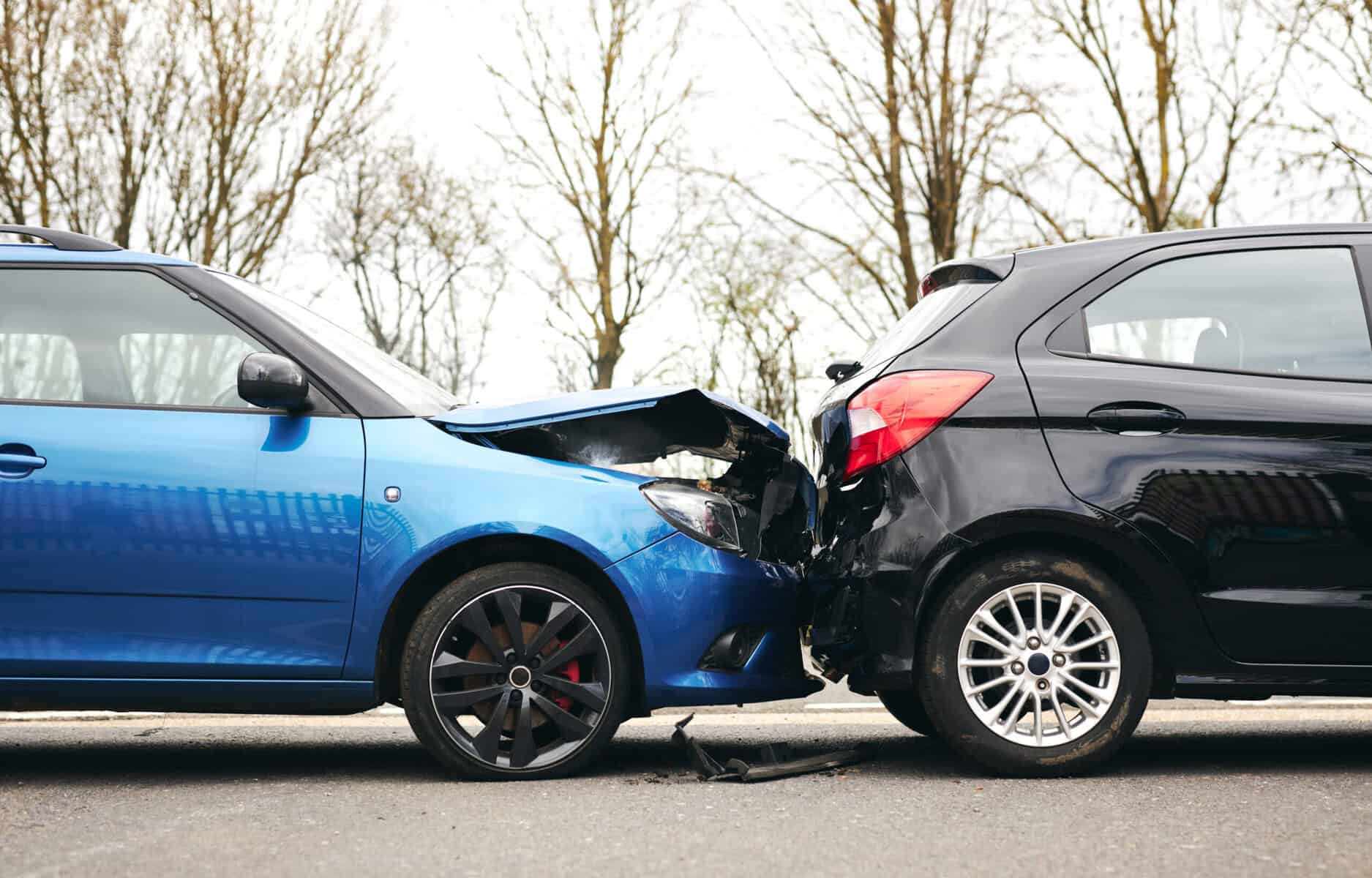
Car accidents are an unsettling reality of modern life. In 2024, an estimated 39,345 people died in traffic crashes in the United States — a decrease of about 3.8% compared to 2023, and the first time since 2020 that the number fell below 40,000. Yet fatalities are only part of the picture. Medically consulted injuries in motor vehicle incidents totaled 4.9 million in 2024 alone, with total injury costs estimated at $559.3 billion. For the millions of people involved in collisions each year, knowing exactly what to do in the moments and days following a crash can make an enormous difference — legally, medically, and financially.
Stay Calm and Prioritize Safety First
The seconds after a collision can feel chaotic. Your first priority is always physical safety. If the vehicles are drivable and it is safe to do so, move them out of the flow of traffic to prevent secondary crashes. Turn on your hazard lights and, if available, set out road flares or emergency triangles. Check yourself and your passengers for injuries before stepping out of the vehicle. Even if you feel fine, adrenaline can mask pain, meaning injuries may not become apparent until hours later.
Call 911 immediately. This is important whether the accident appears minor or serious. A police report creates an official record of the event, which becomes critical when dealing with insurance companies and, potentially, courts. Emergency medical personnel can assess injuries on the scene that you might not notice yourself.
Document Everything at the Scene
Once everyone is safe and emergency services have been contacted, begin gathering as much information as possible. Exchange contact and insurance details with the other driver, including name, phone number, address, driver’s license number, license plate, and insurance policy information. If there are witnesses, collect their names and contact information as well.
Use your phone to photograph everything: the positions of all vehicles, visible damage, skid marks, road signs, traffic signals, and any visible injuries. Note the time, weather conditions, and lighting. These details may seem minor in the moment but can become pivotal evidence if your case ever involves a legal dispute or insurance investigation.
Do not admit fault or apologize, even casually. Statements made at the scene can be used against you later. Stick to factual exchanges and let the investigation determine liability.
Seek Medical Attention Without Delay
Even if you walked away from the accident feeling physically fine, see a doctor as soon as possible — ideally the same day. Conditions like whiplash, concussions, soft tissue injuries, and internal bleeding may not produce obvious symptoms immediately. Distracted driving accounted for roughly 8% of U.S. traffic deaths in 2023, with about 3,300 fatalities tied to distraction-related crashes — many of these involving impacts that victims initially believed were minor.
A timely medical evaluation creates a documented link between the accident and your injuries. This matters enormously if you later file a personal injury claim. Insurance companies frequently argue that a gap in medical treatment suggests injuries were not serious or were unrelated to the crash. Protecting your health and protecting your legal rights go hand in hand.
Report the Accident to Your Insurance Company
Notify your insurance company about the accident promptly, even if you were not at fault. Most policies require timely reporting as a condition of coverage. Give your insurer an accurate account of what happened, but avoid speculating or making definitive statements about fault before the investigation is complete.
Your insurer will open a claim and may send an adjuster to assess vehicle damage. Keep records of all communications — names, dates, and summaries of conversations. If the other driver’s insurer contacts you before you have legal representation, be cautious about what you share, as their goal is to minimize their payout.
Understand Your Legal Rights, Especially in Complex Cases
Not all accidents are straightforward. Crashes involving commercial trucks, rideshare vehicles, government-owned property, or multiple parties introduce layers of legal complexity that ordinary drivers are rarely equipped to navigate alone. According to Chopin Law Firm’s truck accident injury lawyer in Louisiana, “the aftermath of a serious truck accident often involves multiple liable parties — the driver, the trucking company, cargo loaders, and even vehicle manufacturers — making it essential to act quickly to preserve evidence and protect your rights.” This insight applies broadly: the more complex the accident, the more important it is to seek professional legal guidance early.
An attorney can help you understand statutes of limitations in your state, advise you on what compensation you may be entitled to, and protect you from accepting a settlement that undervalues your injuries. Many personal injury lawyers work on a contingency basis, meaning you pay nothing unless they win your case.
Keep a Record of All Losses
From the moment of the accident onward, document every expense and impact related to the crash. This includes medical bills, prescription costs, physical therapy, vehicle repair estimates, rental car costs, and any wages lost due to missed work. Keep a journal noting how your injuries affect your daily life — this kind of personal record can support claims for pain and suffering.
Total motor vehicle injury costs include wage and productivity losses, medical expenses, administrative expenses, motor-vehicle property damage, and employer costs — all categories that may be recoverable depending on the circumstances of your accident.
The Road to Recovery Starts With the Right Steps
An auto accident can upend your life in an instant. But the actions you take immediately after — staying safe, documenting the scene, seeking medical care, reporting to your insurer, and consulting an attorney when needed — can profoundly shape your physical recovery and your legal outcome. Being informed and proactive is the most powerful tool you have in the difficult days that follow a collision.