


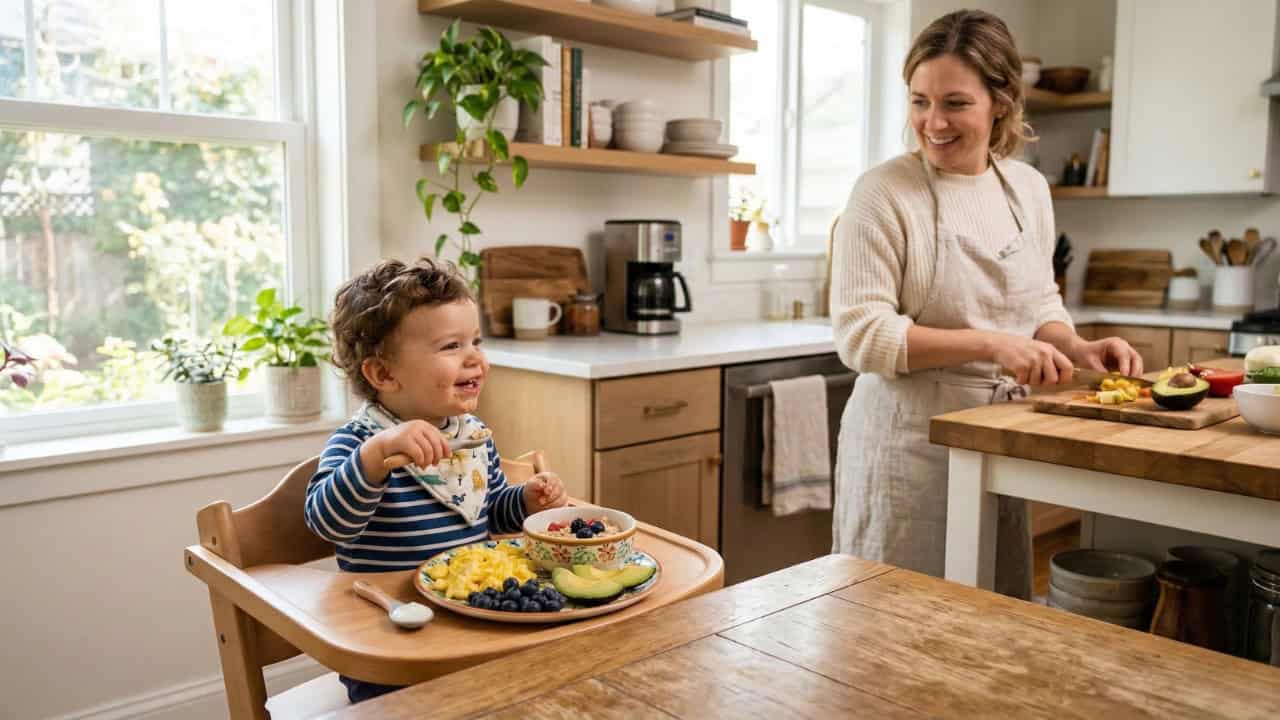
Why What Your Toddler Eats Right Now Matters More Than You Think?
If there is one thing developmental pediatricians consistently agree on, it is this: the first three years of life represent the most significant window of brain growth a human being will ever experience. During this period, your child’s brain forms roughly one million new neural connections every single second. The foods that fuel that process are not just about filling a tiny stomach. They are building the foundation for how your child thinks, learns, communicates, and regulates emotions for the rest of their life.
For most moms, this feels both empowering and overwhelming. The grocery store does not come with a neuroscience degree. That is exactly why this guide exists. Whether your toddler is a great eater or the pickiest person in a three-mile radius, the same core principles apply. The right nutrients at the right ages make a measurable difference, and getting there is more achievable than most parenting content suggests.
This guide breaks down the seven best brain-boosting foods for toddlers, what to limit, a practical weekly meal plan, and strategies for picky eaters, so you can make smart, low-stress choices starting at your next grocery run.
The Brain Development Window: Ages 0 to 3
The human brain reaches approximately 80 percent of its adult size by age three. This explosive growth is driven by a process called synaptogenesis, where neurons form connections with extraordinary speed and density. The nutrients that directly support this process include DHA (an omega-3 fatty acid), choline, iron, zinc, iodine, and various B vitamins.
Research published in peer-reviewed nutrition journals consistently shows that children with adequate DHA intake during early childhood demonstrate stronger verbal skills, attention, and working memory compared to children with deficiencies. Iron deficiency alone, even without clinical anemia, has been linked to delays in language development and reduced problem-solving ability in toddlers.
The takeaway for parents is straightforward: this is not about achieving a perfect diet every single day. It is about consistently prioritizing the foods that deliver the nutrients your toddler’s brain is actively asking for during this irreplaceable window.
The 7 Best Brain-Boosting Foods for Toddlers
1. Fatty Fish (Salmon, Sardines, Trout)
Fatty fish is the single richest dietary source of DHA, the omega-3 fatty acid that makes up approximately 15 percent of the cerebral cortex. DHA is a primary structural component of brain cell membranes, and toddlers who consume it regularly show measurably better cognitive performance in early childhood assessments. Aim for two to three child-sized servings per week. Canned salmon mixed with avocado is an easy, toddler-friendly format.
2. Eggs
Eggs are arguably the most brain-complete single food a toddler can eat. The yolk is particularly important because it contains choline, a nutrient critical for the formation of acetylcholine, a neurotransmitter tied to memory and muscle control. Choline is also essential for building the myelin sheath that protects nerve fibers. One large egg yolk provides roughly 115 milligrams of choline. Scrambled, boiled, or folded into pancakes, eggs are endlessly adaptable for toddler meals.
3. Blueberries
Blueberries contain some of the highest antioxidant concentrations of any common fruit. The anthocyanins (the compounds that give blueberries their blue color) have been shown in research to reduce oxidative stress in brain cells and support neuroplasticity, the brain’s ability to reorganize and form new connections. Fresh or frozen blueberries are equally effective nutritionally, and frozen blueberries mixed into oatmeal or yogurt are a weekly staple in many pediatric nutrition recommendations.
4. Avocado
Avocado provides the brain with monounsaturated fatty acids, which support healthy blood flow to the brain. Adequate cerebral blood flow improves the delivery of oxygen and glucose, the brain’s two primary fuels. Avocado is also a notable source of folate, vitamin K, and lutein. For toddlers, mashed avocado on toast or mixed into pasta is a high-fat, high-nutrient meal addition that most children accept well.
5. Oatmeal
The brain runs on glucose, but it runs best on slow, steady glucose rather than spikes and crashes. Oatmeal, with its complex carbohydrates and high fiber content, provides exactly that kind of sustained energy release. This matters because toddlers experience significant cognitive demand all day, from language acquisition to motor skill development. Starting the day with oatmeal rather than a sugary cereal creates a more stable neurological environment for learning. Add a spoonful of nut butter for protein and healthy fat.
6. Yogurt (Full-Fat)
Full-fat yogurt delivers protein, calcium, B vitamins, and probiotics. The gut-brain axis is now well-established in research: the trillions of bacteria in the gut communicate directly with the brain via the vagus nerve, influencing everything from mood to cognition. Probiotic-rich foods like yogurt support a healthy gut microbiome, which in turn supports healthier neurological function. Choose plain, full-fat yogurt and sweeten it naturally with fruit to avoid added sugar.
7. Leafy Greens (Spinach, Kale, Swiss Chard)
Leafy greens are dense with iron, folate, and vitamin K. Iron is critical because it is required for the synthesis of myelin (the protective coating of nerve fibers) and for the production of neurotransmitters including dopamine and serotonin. Iron deficiency is the most common nutritional deficiency in toddlers and one of the most consequential for brain health. Sneaking spinach into smoothies, pasta sauces, or scrambled eggs is a tested and effective strategy most toddlers accept without complaint.
| Nutrient | Key Brain Function | Best Food Sources |
| DHA (Omega-3) | Builds brain cell membranes, supports cognition | Salmon, sardines, fortified eggs |
| Choline | Memory, nerve signaling, myelin formation | Egg yolk, chicken, broccoli |
| Iron | Myelin production, neurotransmitter synthesis | Spinach, beans, fortified cereal, meat |
| Folate (B9) | Neural tube development, DNA synthesis | Leafy greens, avocado, lentils |
| Zinc | Synaptic function, immune support | Meat, pumpkin seeds, legumes |
| Antioxidants | Reduces oxidative stress on brain cells | Blueberries, strawberries, sweet potato |
Foods to Limit or Avoid for Toddler Brain Health
Certain foods actively interfere with the brain development process. These are not foods to panic about in occasional exposure, but they should not be dietary staples for a child under three.
- Ultra-processed snacks (crackers, chips, packaged sweets): High in refined carbohydrates and seed oils, these foods cause blood sugar spikes and provide little to no brain-supporting nutrition.
- Sugar-sweetened beverages: Juice, flavored milk, and soft drinks spike insulin rapidly, displace appetite for more nutritious foods, and have been linked to behavioral and attention issues in early childhood research.
- Processed deli meats: High in sodium and nitrates, these are not appropriate as a regular toddler food. Occasional use is generally low-risk but should not replace whole protein sources.
- High-mercury fish: Swordfish, shark, king mackerel, and tilefish contain mercury levels that can interfere with neurological development. Stick to low-mercury options like salmon, trout, and canned light tuna.
Sample Weekly Meal Plan for Toddler Brain Health
| Day | Breakfast | Lunch | Dinner | Snack |
| Monday | Oatmeal + blueberries + flaxseed | Egg and avocado on whole grain toast | Salmon patties + steamed broccoli + brown rice | Full-fat yogurt + banana |
| Tuesday | Scrambled eggs + spinach + fruit | Black bean quesadilla + guacamole | Chicken and vegetable stir-fry + quinoa | Blueberries + cheese cubes |
| Wednesday | Yogurt parfait + oats + berries | Tuna + avocado + cucumber on crackers | Ground turkey pasta with hidden spinach sauce | Apple slices + almond butter |
| Thursday | Whole grain pancakes + nut butter + banana | Lentil soup with soft vegetables | Baked salmon + roasted sweet potato | Hard-boiled egg + grapes |
| Friday | Oatmeal + raisins + nut butter | Cheese and veggie omelette | Sardine pasta with garlic and olive oil | Avocado toast soldiers |
Practical Tips for Picky Eaters
How Do I Get My Toddler to Eat Brain Foods?
Getting a two-year-old to eat salmon can feel like negotiating a peace treaty. Here are five research-informed strategies that actually shift the dynamic:
- Introduce repeatedly without pressure. Research shows it takes 8-15 exposures to a new food before a toddler accepts it. Offering without pressure is more effective than coaxing.
- Blend, hide, and fold. Spinach disappears in a blueberry smoothie. Salmon is undetectable in a fish cake with potato. The brain benefits are identical regardless of presentation.
- Let toddlers serve themselves. Autonomy over the amount they eat reduces mealtime battles significantly. Put small amounts of each food on the plate and let them decide quantity.
- Eat the same food yourself. Toddlers are powerful imitators. If they see you eating salmon and clearly enjoying it, the barrier to trying it drops considerably.
- Pair new foods with accepted favorites. Introducing spinach mixed into already-loved pasta sauce is always more successful than presenting a pile of raw spinach.
| Meghna’s Note
Living in New Jersey with my two kids, I learned early that perfection is the enemy of progress with toddler nutrition. My daughter went through a phase where she would only accept food if it was beige. I spent weeks hiding spinach in her mac and cheese and salmon in her fish sticks. The brain does not care about presentation. Keep offering, keep experimenting, and trust that your consistency is building something your child cannot yet see. |
Frequently Asked Questions
What are the top brain foods for toddlers?
The top brain foods for toddlers are fatty fish (for DHA), eggs (for choline), blueberries (for antioxidants), avocado (for healthy fats), oatmeal (for sustained energy), full-fat yogurt (for probiotics and protein), and leafy greens (for iron and folate). Each of these nutrients plays a direct role in neurological development during the critical 0-3 year window.
Is fish safe for toddlers?
Yes, low-mercury fish is not only safe but strongly recommended for toddlers from around 6 months of age. The American Academy of Pediatrics supports 2-3 servings of low-mercury fish per week for young children. Choose salmon, trout, sardines, or canned light tuna and avoid high-mercury species like swordfish, shark, and king mackerel.
How much protein does a 2-year-old need per day?
A 2-year-old needs approximately 13-16 grams of protein per day. This is easily achieved through a combination of eggs, yogurt, cheese, beans, and small amounts of meat or fish spread across meals and snacks.
Can a toddler eat too much fat?
No, healthy fats are essential and should not be restricted in toddlers under age two. The fat found in avocado, full-fat dairy, eggs, and fatty fish directly supports brain development. The American Academy of Pediatrics advises against low-fat diets for children under two.
What vitamins help toddler brain development?
The most important vitamins for toddler brain development are vitamin D (supports nerve function), B12 (supports myelin sheath formation), folate (B9, essential for DNA synthesis and neural function), choline (a B-vitamin-like nutrient critical for memory), and iron (supports neurotransmitter production and myelin synthesis).
| QUICK ANSWER
The best foods for toddler brain development include fatty fish (DHA), eggs (choline), blueberries (antioxidants), avocado (healthy fats), oatmeal (slow-release energy), yogurt (probiotics and protein), and leafy greens (iron and folate). These nutrients support neuron growth, memory formation, and cognitive function during the critical 0-3 year window. |