


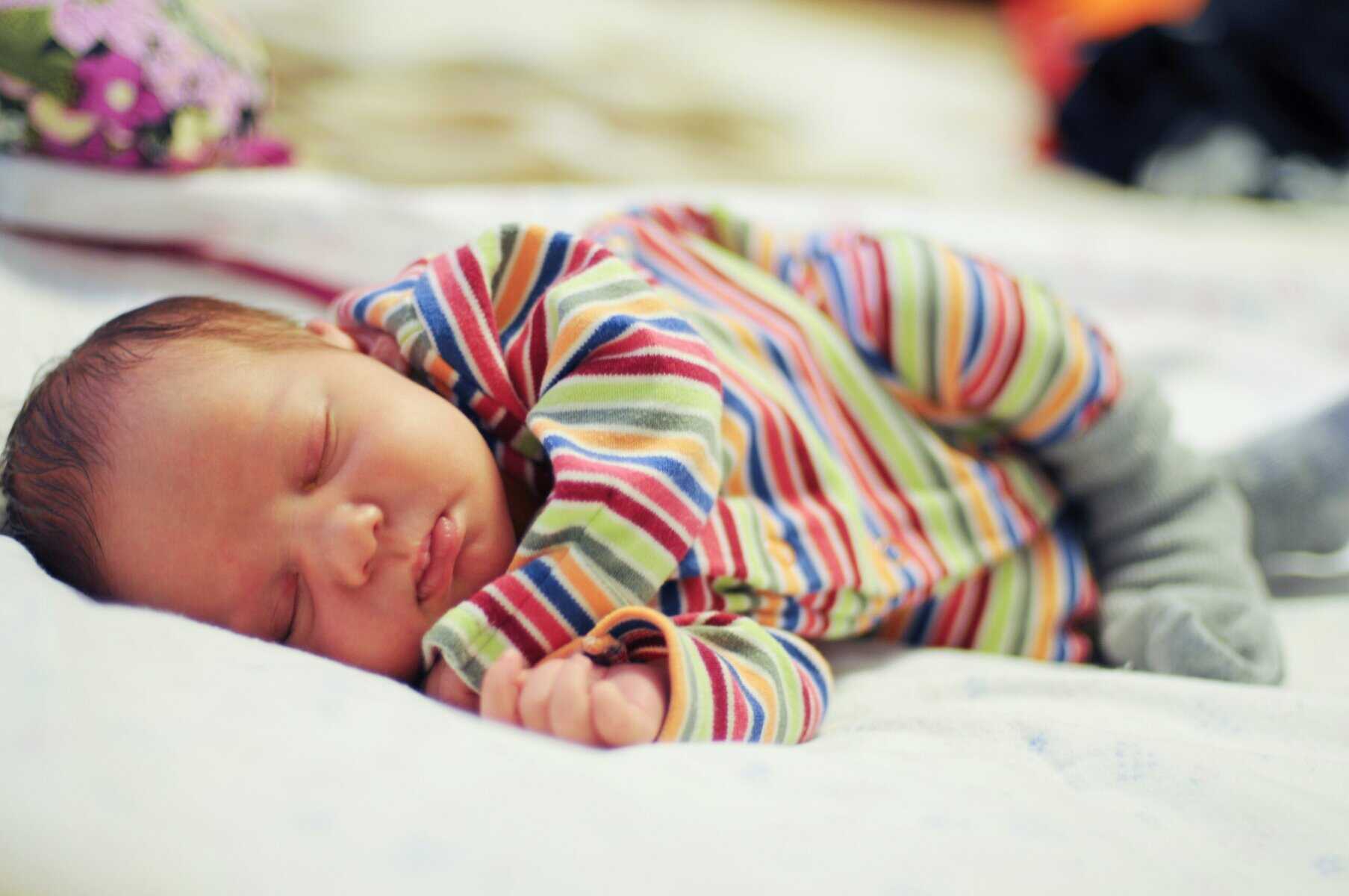

Photo Credit: Goda Morgan | Pexels
If you’ve ever tiptoed into your baby’s room at night to check the thermostat or hovered your hand near their chest to see if they are too warm, you are not alone. Babies are far more sensitive to temperature than adults, and seasonal changes can make restful sleep feel like a moving target. Summer heat, winter drafts, and everything in between can affect comfort, safety, and how well everyone sleeps, including parents.
To help parents navigate these shifts, we spoke with Sarah Bowmar, a certified sleep consultant and certified Baby-Led Sleep™ & Well-Being Specialist. She is also a parent who has experienced firsthand that late-night worry that comes with wanting to optimize her babies’ sleep. Here, she shares practical tips on room temperature, sleepwear, and how to make your baby more comfortable year-round.
Q: What would you say the safe room temperature range should be for a newborn?
A: I recommend keeping the baby’s sleep space between 68 and 72 degrees Fahrenheit. That range supports comfortable sleep without increasing the risk of overheating. It also tends to be comfortable for adults, which matters when the baby is sleeping in the same room during those early months.
When my kids were babies, they slept in our room. But we did not turn our bedroom into a “baby-only” environment. We kept it the way we usually sleep: cool and well ventilated, which helped everyone rest better.
Q: Why is it so important that a baby is not too hot or too cold?
A: Temperature really matters for safety and sleep quality.
Babies do not sweat like adults do, so they cannot regulate their body temperature effectively. That’s why it can be dangerous if a baby gets too hot. Overheating is a risk factor for SIDS, which is why keeping your baby cool is so important.
If a baby gets too cold, they will usually let you know. They tend to cry more and wake frequently. While too cold is disruptive, it is still safer than too hot. Comfort matters, but safety always comes first.
Q: Other than adjusting the thermostat, how can parents help regulate temperature in warm weather?
A: Several simple tools make a big difference.
- Fans help circulate air and have been shown to reduce the risk of SIDS. Just make sure the fan is not blowing directly on the baby’s face.
- Bamboo pajamas are one of my go-to recommendations for babies. Bamboo fabric is naturally temperature-regulating and breathable, which helps prevent overheating.
- High-quality sheets also help. Porous materials can keep a baby cooler and more comfortable than synthetic fabrics that trap heat.
I use bamboo sleepwear and sheets from Wild Acorn, my kids sleepwear brand, because the fabric is versatile and gentle on sensitive skin.
Q: What are the telltale signs that a baby is too hot?
A: Watch for red or flushed skin, especially on the face or chest. Babies who are too hot often cannot settle or stay asleep. You may notice restlessness, frequent waking, or a baby who seems uncomfortable no matter how you position them.
If you see those signs, remove a layer of clothing and check the baby’s temperature right away.
Q: How can parents keep a baby comfortable in winter without overheating?
A: The goal is warmth without bulk.
Bamboo pajamas are great because they adapt to temperature changes. For colder homes, wool layers can also be helpful. Wool holds heat well while still allowing airflow, which reduces the risk of overheating.
Instead of adding blankets, which are not safe for infants, focus on sleepwear layers and maintaining a consistent room temperature.
Q: What are the signs that a baby may be too cold?
A: Cold babies usually tell you. They cry more and struggle to sleep. You may notice frequent waking or difficulty settling. Feel the baby’s chest or back rather than hands or feet, which are often cooler naturally.
If their core feels cool, it’s time to add a layer or adjust the room temperature.
Q: What is the best way to monitor a baby’s room temperature?
A: Technology can be really helpful here.
Many baby monitors now display room temperature, which gives parents peace of mind without constant guessing. Smart thermostats can also help you track overnight temperature trends.
When my kids were infants, we also used the Owlet Dream Sock®. While no device replaces safe sleep practices, monitoring tools can help parents feel more confident and informed.
Q: How should parents safely dress a baby for sleep to avoid temperature issues?
A: I always recommend focusing on fabric first.
Bamboo is hypoallergenic and ideal for sensitive skin, including babies with eczema. Its temperature-regulating qualities make it suitable year-round. Bamboo fabrics can help babies stay warm in winter and cool in summer without needing constant outfit changes.
A good rule of thumb is one more layer than an adult would wear to sleep comfortably in the same room.
Q: When is it safe for a baby to sleep with a blanket?
A: Not until after one year of age. Before that, blankets increase the risk of suffocation and SIDS. Sleep sacks or wearable blankets are safer alternatives once the baby is old enough, but always follow current safe sleep guidelines.
Q: Is a hot room truly a risk factor for SIDS, and why?
A: Yes, it is. Babies’ sweat glands are undeveloped, so their internal body temperature can rise quickly in a hot environment. That inability to cool themselves puts them at higher risk. A cool room, breathable clothing, and good airflow all work together to support safer sleep.
Setting the Stage for Better Sleep Year-Round
Seasonal sleep challenges are normal, especially during periods of temperature change. What matters most is creating a consistent sleep environment that supports comfort and safety, no matter the weather outside. Paying attention to room temperature, choosing breathable fabrics, and allowing for proper airflow can help babies settle more easily and stay asleep longer.
Parents do not need to overcorrect for every warm night or cold snap. Simple adjustments, such as changing sleepwear, using a fan to improve circulation, or monitoring room temperature, can go a long way. Trust your instincts, watch your baby’s cues, and remember that cool and comfortable is always safer than too warm.

Photo Credit: Sarah Bowmar