


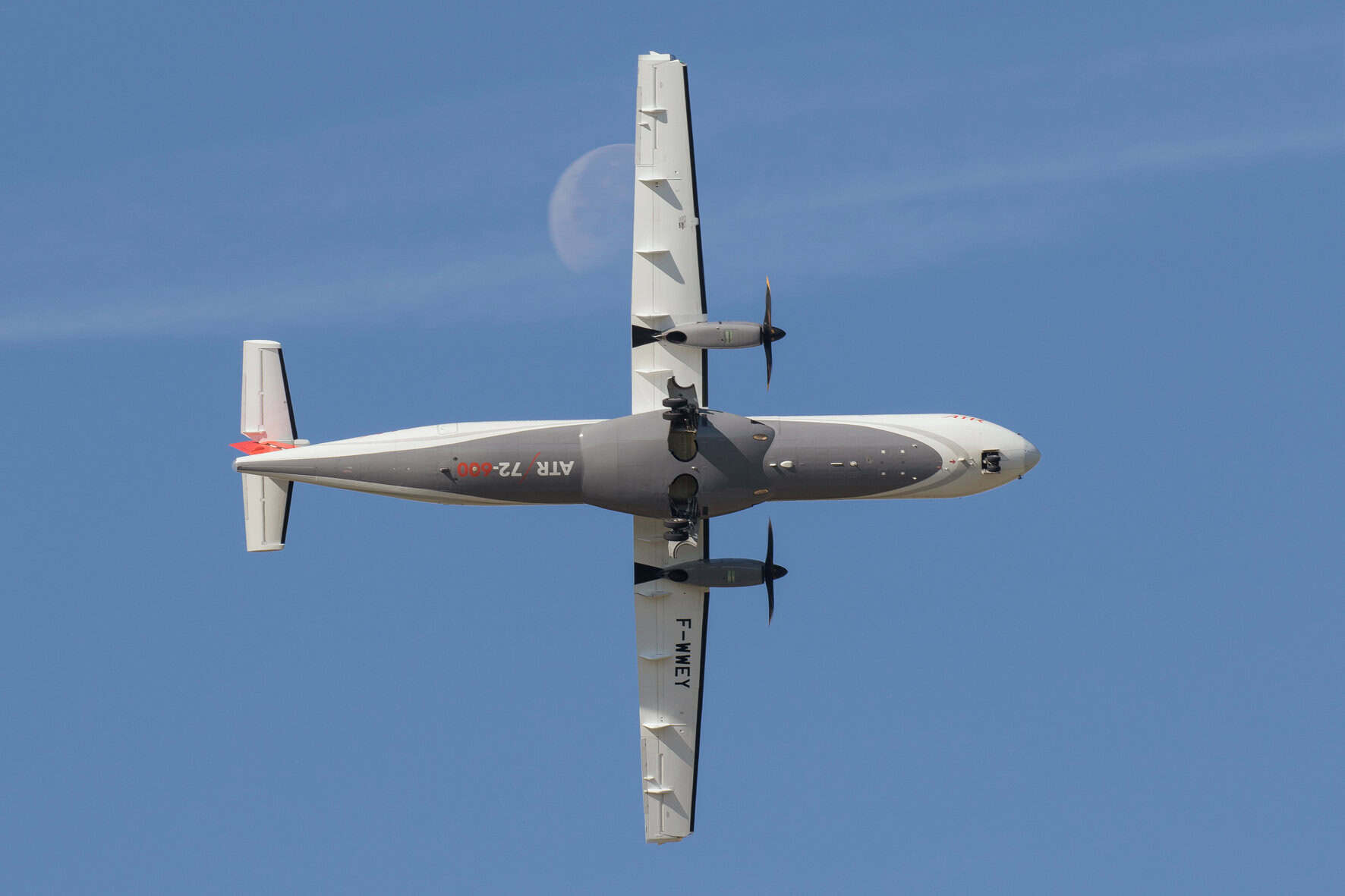
A balanced approach to aircraft development
Aircraft design requires a careful balance between technological advancement and real-world usability. In modern aviation, innovation alone is not enough. Aircraft must also deliver consistent performance across a wide range of operational environments. This is where ATR demonstrates a distinctive approach by combining forward-looking innovation with practical design principles.
Rather than focusing solely on experimental breakthroughs, ATR integrates technologies that provide measurable improvements while maintaining reliability. This ensures that new developments can be applied effectively in daily airline operations.
Designing For Real-World Conditions
A key element of ATR’s design philosophy is its focus on operational practicality. Regional aircraft must perform in diverse conditions, including short runways, remote locations, and challenging weather environments. ATR aircraft are engineered to operate efficiently in these scenarios without compromising safety or performance.
This capability supports essential regional connectivity by allowing airlines to serve destinations that are not accessible to larger aircraft. It also ensures that operators can maintain consistent service levels even in infrastructure-limited regions.
Innovation Through Continuous Improvement
Innovation within ATR’s aircraft design is often achieved through targeted enhancements rather than radical changes. Advances in aerodynamics, materials, and propulsion systems contribute to improved fuel efficiency and reduced operational complexity. These improvements are designed to deliver long-term value for operators while maintaining proven reliability.
The introduction of next-generation engines, such as the Pratt and Whitney Canada PW127XT, reflects this approach. By improving fuel efficiency and reducing maintenance requirements, these upgrades enhance both environmental performance and operational efficiency. This demonstrates how incremental innovation can deliver meaningful results.
Supporting Efficiency And Environmental Progress
Modern aircraft design must also address the broader challenge of reducing environmental impact. ATR’s turboprop aircraft are inherently efficient, consuming significantly less fuel compared to similarly sized regional jets. This efficiency contributes to lower emissions while supporting the industry’s ongoing efforts to improve environmental performance.
At the same time, ATR is actively exploring future technologies, including hybrid-electric ready propulsion and compatibility with sustainable aviation fuel. These developments reflect a long-term commitment to advancing aviation while maintaining practical usability for airlines.
Enhancing Passenger Experience Through Design
Pragmatic design extends beyond technical performance to include passenger experience. ATR aircraft feature modern cabin layouts that prioritize comfort, space efficiency, and reduced noise levels. These enhancements contribute to a more consistent and enjoyable travel experience, particularly on regional routes.
The availability of premium configurations, such as the Highline cabin range, highlights the flexibility of ATR’s design approach. This demonstrates that regional aircraft can meet diverse market expectations while maintaining operational efficiency.
A Practical Vision For The Future
The combination of innovation and pragmatism reflects a broader understanding of the aviation ecosystem. Aircraft must not only incorporate advanced technologies but also deliver reliable performance under real-world conditions. ATR’s design philosophy aligns these objectives by ensuring that each innovation serves a clear operational purpose.
In conclusion, ATR’s approach to aircraft design illustrates how meaningful progress can be achieved through balance. By combining innovation with practical application, the company continues to support the development of an efficient and resilient regional aviation network.