


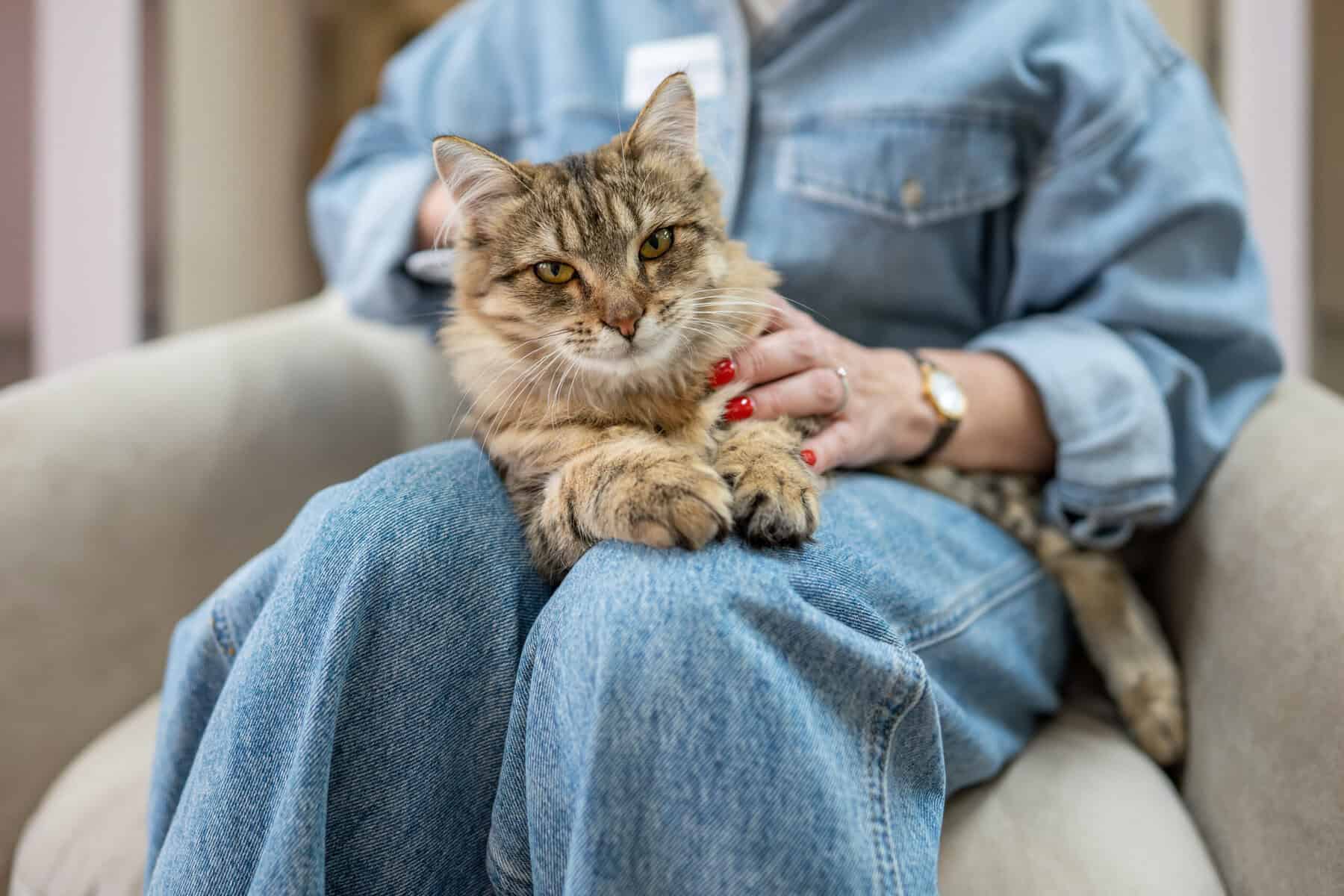
Cats age quietly. One day you look over and notice a slower stretch before the morning jump, a longer nap in the warm spot, a gentler request for dinner. Caring for a senior cat is about respecting that slower rhythm while protecting health, comfort, and dignity. With a few thoughtful changes at home and a steady relationship with your veterinarian, the later years can be deeply connected and surprisingly playful.
When Is a Cat Considered Senior
Age labels can help you plan care. Many veterinarians consider cats “mature” around seven to ten years and “senior” from about eleven onward. Timelines vary by genetics, lifestyle, and medical history, so watch your cat and their behaviors more than the calendar.
The true signal is not the number of birthdays but the small changes in movement, appetite, social preferences, and sleep.
Build a Clear Health Baseline
Senior care works best when you know what “normal” looks like for your cat today. Schedule a wellness visit for your cat and share detailed observations with your veterinarian. Mention drinking habits, litter box changes, grooming patterns, and energy at different times of day. Ask for a thorough exam and routine lab work so you have benchmarks for kidneys, thyroid, and other senior markers. Baselines make it much easier to catch subtle shifts early.
At home, keep simple notes so you have a baseline to reference. Record meal sizes, water intake style, litter frequency, sleep spots, and daily play. This is not busywork. It is a snapshot you can bring to your vet to guide decisions and to compare against future months.
Rethink Nutrition With Senior Goals
Older cats often need food plans that prioritize steady muscle, easy digestion, and palatability. With cats, texture often matters as much as ingredients. Some seniors prefer soft pâtés that are gentle to chew, others do well with mixed textures that keep interest high.
If weight is trending down or up, adjust portions slowly and consult your veterinarian about protein targets and any medical diets. Keep in mind that treats count. Many cats will shift most of their calories to the extras you’re willing to hand them near the counter. Keep portions small and ensure that most of their calories come from meals. The goal is not restriction but rather a consistent, balanced routine that supports a healthy weight.
Reduce Stress with Routines
Senior cats like to know what is coming next and they’ll thrive when given a predictable routine. But despite our best efforts, there will always be moments we can’t control.
If you anticipate a predictable stressor, such as travel or a busy weekend, plan ahead. For cats who are prone to situational stress, consider layering in calming tools like CBD Oil for Cats.
Make Hydration Easy and Inviting
Hydration protects kidneys and overall comfort, yet many senior cats do not drink enough. Offer multiple water stations in quiet locations, away from litter and food. Try a wide, shallow bowl to keep faces dry and whiskers comfortable.
Some cats prefer running water, so a fountain can be useful if it stays clean and quiet. You can also raise moisture by adding water to meals or rotating in a hydrating topper that your veterinarian approves.
Support Joints and Everyday Movement
Small changes go a long way for older joints. Place a sturdy step or low ottoman beside the favorite couch. Add a nonslip mat where your cat lands after a jump. Offer a bed with supportive sides and a low entry so it is easy to settle in and out. If your home has stairs, set one comfortable rest spot on each floor so your cat does not feel pressured to do full flights to find you.
Play still matters, even for senior cats. Short, gentle sessions keep their muscles active and minds engaged. Choose toys that invite stalking and pouncing without wild leaps. Two or three minutes, twice a day, can be perfect for a senior body that loves the hunt but needs a measured pace.
Refresh the Litter Box Setup
A comfortable bathroom routine is a huge part of a senior cat’s quality of life. As they age, it can be beneficial to lower the entry height, keep litter depth consistent, and choose a box that is easy to turn around in. Place boxes where the floor is level and traction is good.
In larger homes, consider one box per floor so access is always simple. If you see paw shaking, hesitation, or misses near the box, review location, privacy, and footing. A small mat can add confidence where a tile floor once felt slippery.
Dental Health & Grooming
Dental changes are common with age and can affect appetite, grooming, and mood. Regular checks help you catch problems before they become painful. Watch for drooling, pawing at the mouth, food dropping, or a sudden preference for softer textures.
If brushing is part of your dental routine, keep sessions short and calm. If it has never been part of your routine, ask your veterinarian for the simplest, least stressful approach you can maintain.
Senior cats often need a little help keeping their coat smooth. Gentle brushing reduces mats and improves comfort, especially around hips and along the lower back where flexibility is reduced. Keep sessions brief and positive. Follow your cat’s cues and stop before patience wears thin. If a mat appears, do not tug. You can ease it apart with a comb over a few sessions, or ask a groomer or veterinary team for help.
Protect Sleep and Create Warm, Quiet Places
Older cats sleep more and seek warmth. Offer a few beds so they can choose where to rest as the sun moves through the day. Place one near family activity and one in a quiet corner. Elevate a bed slightly if it improves ease of entry and reduces drafts from floor level. If your cat prefers your bed at night, a small step at the foot of the mattress can make that hop comfortable again.
Keep Minds Busy With Simple Enrichment
Curiosity does not retire. Rotate a few toys weekly so they stay novel. Hide a small portion of dinner in a foraging mat. Place a bird feeder near a secure window perch for safe “cat TV.” Train a tiny trick like touching a target with the nose; it builds confidence and strengthens your bond. The point is not intensity. It is a predictable rhythm of interesting moments that keep your cat engaged without fatigue.
Make Vet Visits Easier
Comfort begins at home. Keep the carrier out and inviting year round with a soft blanket and treats. Feed near or inside it regularly so it becomes a safe place, not a sign of trouble. On appointment day, line the carrier with an absorbent pad, cover part of it with a breathable towel, and secure it in the car so it does not slide. Ask your clinic about quieter appointment times or cat-friendly handling approaches that reduce waiting and noise.
Share clear notes with your veterinary team. Mention changes that seem minor, like drinking a little more, not jumping onto a particular chair, or moving sleep spots. These details help guide exams, labs, and imaging so care is personal and precise.
Making Adjustments
The most important skill in senior care is paying attention to small changes and responding quickly. If a favorite jump becomes a reach, add a step. If grooming declines, shorten sessions and consider a softer brush. If appetite dips, warm the food and review dental comfort. If litter habits shift, check the box design and location, and call your vet if changes persist. Early tweaks often prevent bigger problems and keep the day flowing.
The goal is not to stretch time at all costs. It is to stack good days. Good days have comfortable movement, interesting moments, easy meals, steady hydration, and plenty of rest in places that feel safe. When you build a home that delivers those pieces predictably, your senior cat relaxes into the routine and you get the pleasure of their company in a way that feels calm and connected.
The Bottom Line
Senior cats do best when life becomes easy to read. Set up spaces that respect slower movement, offer water in more than one place, keep meals appealing and consistent, and create small, interesting moments each day. Stay close to your veterinary team, notice small changes, and make adjustments early. With a calm routine and thoughtful home design, the later years can be comfortable, affectionate, and full of quiet wins for both of you.