
I became a community builder without really setting out to become one.
It started in Paris with Popout Together, the nonprofit I founded to create meaningful opportunities for people to gather, connect, and participate in creative life. At first, it was one event at a time. An idea, a venue, a group of people, a reason to come together. Then something began to happen: people returned. They brought friends. They asked what was next. They recognized one another across rooms and across time.
Before I had a name for it, I was building community.
Now, through my work as an events producer and curator for Club MamaBee, I find myself returning to the same question with more intention: what does it really mean to build a community, and what am I thinking about as I do it?
It Is Not Just an Event
An event can be beautiful, well attended, and professionally produced, but that does not automatically make it a community.
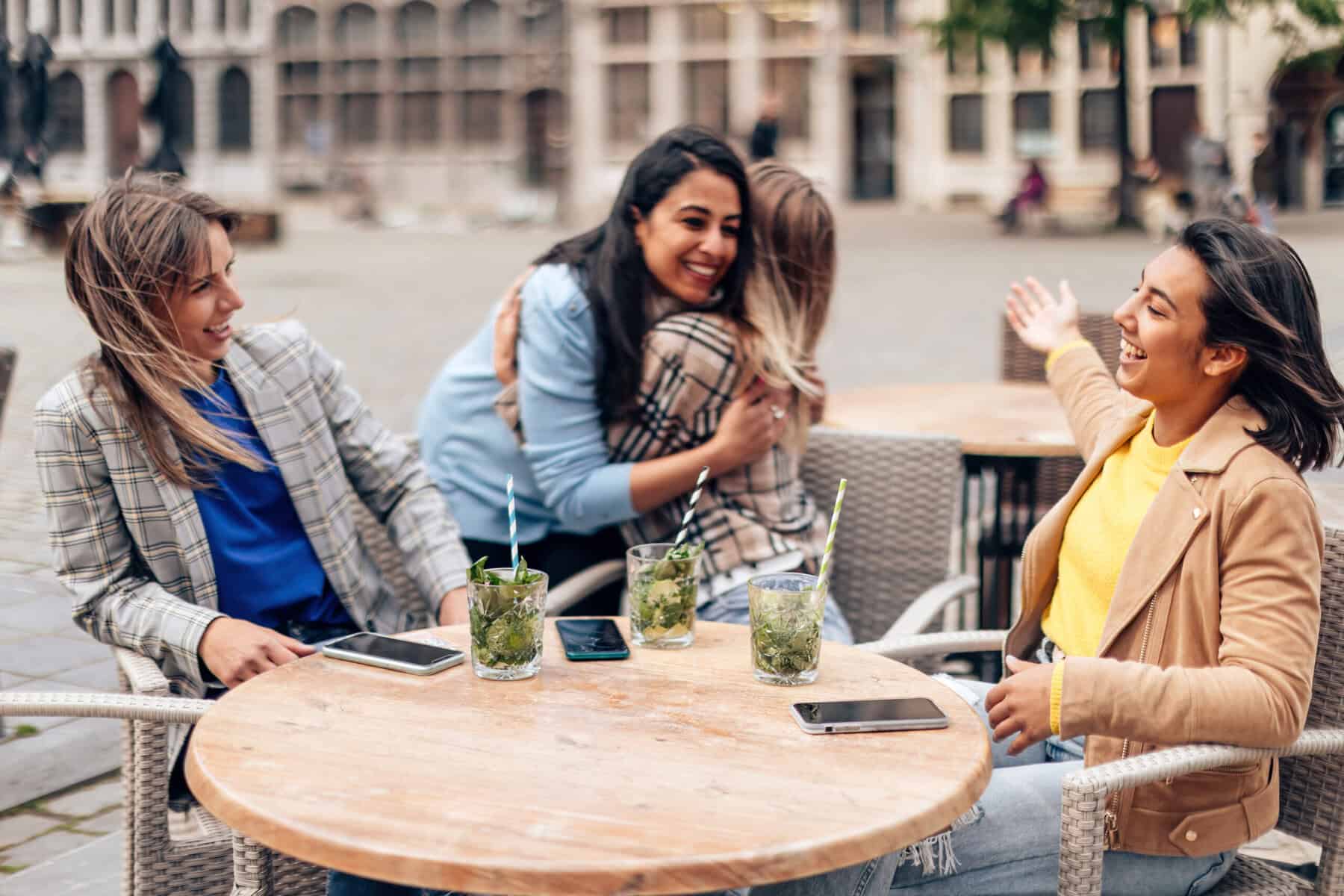
Community is what happens when people begin to feel that a space has a place for them. It is the familiarity of seeing someone you met at a previous gathering. It is being greeted by name, being invited into a conversation, or knowing you can come alone and still leave having connected with someone.
People trusted what I was building with Popout Together because they could feel that the space was intended to be safe, open, and genuinely social. They could reconnect with people they had not seen in a while, meet someone new, share an idea, and be part of something larger than a single event.
That feeling matters. Research on belonging consistently identifies connection, being valued, and having a meaningful role within a group as central to how people experience community.
For me, the event is only the container. The real work is helping people feel that they belong inside it.
Community Building Is an Old Practice
“Community building” can sound like a new professional title, especially now that the term appears in creative industries, startups, nonprofits, online spaces, and brand strategy. But the practice itself is much older.
At its core, community building is the intentional creation of relationships, trust, shared purpose, and participation among people who have something meaningful in common. It does not depend on physical proximity alone. It grows through shared identity, repeated interaction, mutual care, and opportunities for people to contribute.
Long before anyone called themselves a community builder, people were doing this through neighborhood gatherings, mutual-aid networks, cultural associations, faith communities, artists’ circles, volunteer groups, and informal dinners at someone’s home.
The language may be newer, but the need is not.
We are wired for connection. People want to feel welcomed, known, heard, supported, and needed, not simply counted as attendees or followers.
Consistency Builds Trust
One of the biggest lessons I have learned is that consistency matters more than spectacle.
A large event may create excitement, but regular gatherings create recognition. They give people enough time to become familiar with the room, build relationships gradually, and begin to trust that the space will be there again.
That does not mean every event needs to look the same. In fact, creative communities should have room to evolve. But there needs to be a consistent emotional experience underneath the programming.
People should know what they can expect from the space:
- They will be welcomed.
- They will not need to perform belonging.
- They will have an opportunity to participate.
- They may see someone they already know.
- They may meet someone they did not know they needed to meet.
This is especially important in cities like Paris, where creative, international, and local communities often overlap while still remaining separate. A gathering can become a bridge between artists and audiences, newcomers and long-term residents, collaborators and future friends.
People Want to Participate
One of the most important shifts for community builders is moving away from the idea that people only want to consume an experience.
People do want a good program, thoughtful curation, and a well-run event. But they also want to take part. They want to contribute an idea, host a conversation, recommend an artist, volunteer, collaborate, share a skill, or help shape what happens next.
Participation changes the relationship someone has with a community. They are no longer simply in the audience. They have a stake in the space.
Meaningful participation is closely tied to social connection and belonging. When people have a real opportunity to engage and contribute, they are more likely to feel valued and connected to the group.
As a curator and producer, I am thinking more about how to build those openings intentionally. Not every person will want the same level of involvement, and that is okay. But a strong community has more than one way to enter.
Someone might begin by attending. Then they might return. Then they might introduce themselves to someone new, share feedback, volunteer, suggest a program idea, or become a collaborator. Each of those moments makes the community stronger.
Organizing Is Care
Community building is often talked about in emotional terms: belonging, connection, joy, trust. All of that is true. But it is also deeply practical.
Someone has to make the invitation clear. Someone has to consider accessibility, timing, communication, budgets, registration, the flow of the room, the welcome at the door, and what happens when someone arrives alone.
That is organizing. Good organizing is not separate from care. It is one of the clearest forms of care. When a gathering feels thoughtful, people can relax. They can focus on being present rather than figuring out where they fit, what they are supposed to do, or whether anyone noticed they arrived.
Strong communities are not accidental. They are built through intentional trust, meaningful relationships, shared purpose, and structures that make participation possible.
As community builders, we have to care about both the feeling and the framework.
What I’m Carrying Forward
I am thinking about how to keep creating spaces where people feel seen without making the work feel transactional.
I am thinking about the difference between building an audience and building a community. An audience comes to watch. A community comes to connect, contribute, and return.
I am thinking about how consistent gatherings can become a kind of social infrastructure, especially for creative people, newcomers, freelancers, artists, and anyone looking for more than another networking event.
Most of all, I am thinking about trust.
People trusted Popout Together because they could sense that the invitation was real. They did not need to arrive with the right introduction, the right job title, or a preexisting circle of friends. They could simply show up.
That is also what I am carrying into my work as an events producer and curator for Club MamaBee: creating spaces where people feel welcomed, recognized, and invited to take part. Whether through Popout Together or Club MamaBee, I want to build gatherings that make room for people to be present, participate, reconnect, and recognize that they already have something valuable to bring.