


You’re Not Stuck With the Brain You Have : Here’s How to Rewire It in 6 Powerful Ways
For years, scientists believed the adult brain was static—fixed in its wiring and function. You had what you were born with, and that was it. But recent research in neuroscience has completely changed this narrative.
Thanks to the science of neuroplasticity, we now know your brain can rewire, reorganize, and even regenerate itself in response to new experiences, learning, and habits. The implications are massive: from overcoming trauma to preventing cognitive decline, or simply enhancing focus, memory, and mental resilience, the brain you were born with doesn’t have to be the brain you live with forever.
If you’ve ever wanted to reset, upgrade, or improve your mental performance, this guide is for you. Let’s explore six proven, everyday strategies to rewire your brain—and how to make them part of your lifestyle.
What Is Neuroplasticity?
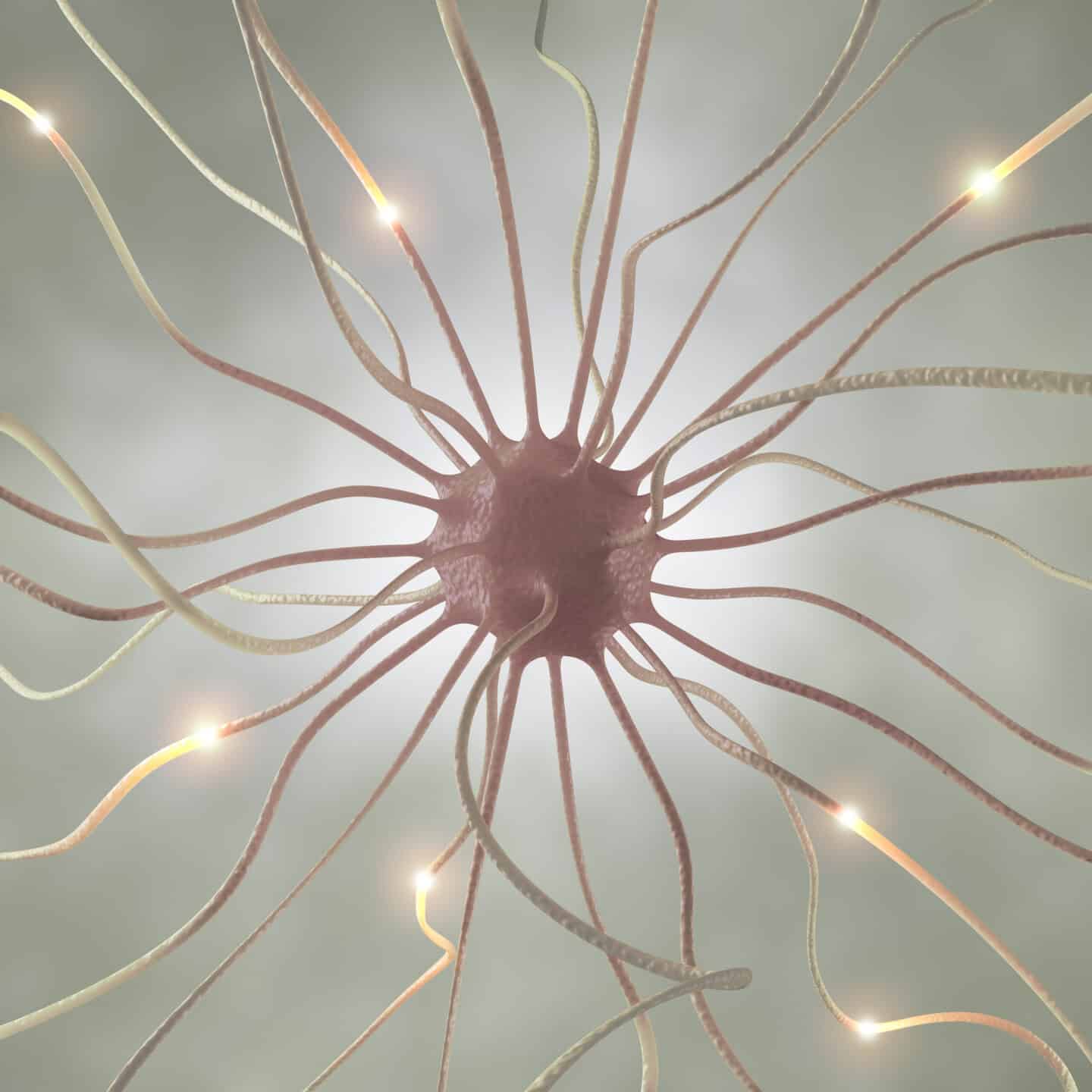
Neuroplasticity refers to the brain’s incredible ability to adapt. It can form new neural connections, strengthen existing ones, and even reassign functions to different areas after injury or in response to learning.
Here’s how it works:
-
When you repeat a new behavior or thought pattern, your brain creates stronger neural pathways for it.
-
These pathways become more efficient over time—like building a well-paved road where there was once only dirt.
-
This flexibility applies at any age, although younger brains may be more responsive.
Whether you’re recovering from a stroke, changing negative thought patterns, or simply building new habits, neuroplasticity is the engine that makes it possible.
Why Rewiring Your Brain Matters
Rewiring your brain isn’t just for people recovering from injury. It can help:
-
Boost memory and focus
-
Reduce anxiety and depression
-
Build emotional resilience
-
Improve learning speed
-
Protect against cognitive decline (including Alzheimer’s)
-
Strengthen creativity and problem-solving
Let’s break down the 6 most effective, evidence-based strategies.
1. Play Video Games With Purpose
Video games often get a bad reputation, but science says certain types can actually enhance your brain.
Cognitive Benefits of Gaming:
-
Improves motor coordination and reaction time
-
Strengthens memory and visual processing
-
Enhances reasoning and decision-making
-
Builds emotional resilience and adaptability
A 2019 study in Nature showed that action and 3D exploration games (like Legend of Zelda) improved hippocampal function—an area of the brain responsible for spatial navigation and memory.
How to Use This Strategy:
-
Play puzzle games like Tetris or Portal to improve problem-solving
-
Try rhythm-based games (like Beat Saber) to enhance focus and attention
-
Limit gameplay to 2–4 hours a week for optimal balance
2. Learn a New Language
Want to grow your brain’s gray matter and white matter? Learn a second language.
Science-Backed Benefits:
-
Increases gray matter volume in areas tied to memory, attention, and motor skills
-
Improves white matter integrity—enhancing communication between brain regions
-
Strengthens multitasking, focus, and problem-solving
According to a 2021 review, even learning a new language in adulthood boosts brain function and reduces the risk of age-related cognitive decline and dementia.
How to Start:
-
Use apps like Duolingo or Babbel
-
Join local language exchange meetups
-
Immerse yourself through travel or media in your target language
3. Make or Play Music
Music is medicine for the brain. Whether you’re listening, learning, or performing, engaging with music boosts mood, memory, and motor skills.
Cognitive Effects of Making Music:
-
Enhances movement and balance (key for older adults)
-
Boosts audio and visual perception
-
Promotes neurogenesis (creation of new brain cells)
-
Activates areas tied to speech, learning, and emotional regulation
A 2021 study in Frontiers in Psychology found that older adults who played music showed slower cognitive decline and higher brain plasticity than non-musicians.
Easy Instruments to Start:
-
Ukulele: small, affordable, beginner-friendly
-
Keyboard: good for visual learners
-
Harmonicas: portable and fun for breath control
Try free tutorials on YouTube before committing to lessons.
4. Travel—Even Just a Few Miles
New environments shake up your brain—in the best way.
Why Travel Fuels Neuroplasticity:
-
Stimulates all five senses
-
Challenges your routines and patterns
-
Builds new associations and memories
-
Encourages cultural awareness and emotional empathy
Don’t have time for an international trip? No problem.
Ways to “Travel” Locally:
-
Visit a new neighborhood or museum
-
Take a hike in a park you’ve never explored
-
Try a new cuisine or grocery store across town
-
Use VR apps like National Geographic or Google Earth VR
Novelty rewires the brain. The more unfamiliar the experience, the stronger the new neural pathways.
5. Move Your Body (and Rewire Your Brain)
Exercise isn’t just for your body—it’s fuel for your mind.
Brain Benefits of Physical Activity:
-
Increases blood flow to the brain
-
Promotes the release of BDNF (Brain-Derived Neurotrophic Factor), a key protein in brain growth
-
Enhances memory and learning
-
Reduces risk of anxiety, depression, and Alzheimer’s
A 2018 review in Neurology found that 150 minutes of moderate aerobic activity per week improved brain structure and cognitive performance.
Easy Ways to Add Exercise:
-
Brisk walking 30 minutes, 5x a week
-
Try a dance class or yoga session
-
Add 10-minute stretching or resistance workouts during screen breaks
Bonus: exercising outdoors adds the mental health boost of nature and sunlight.
6. Make Art or Just Doodle
Making art rewires your brain for creativity, visual-spatial thinking, and emotional expression.
Art and Brain Plasticity:
-
Engages the default mode network (DMN), which improves idea generation
-
Builds fine motor skills and hand-eye coordination
-
Strengthens communication between left and right hemispheres
-
Reduces stress and promotes mindfulness
A 2023 review noted that both trained artists and beginners showed increased functional connectivity in key brain areas after regular art-making.
No experience? No problem.
-
Try a “5-minute sketch” routine during lunch breaks
-
Follow beginner tutorials on YouTube or Skillshare
-
Doodle while listening to podcasts or during calls
Even abstract painting or adult coloring books activate neural pathways.
FAQs About Brain Rewiring
Q1.How long does it take to rewire your brain?
There’s no set timeline. Small changes can happen in weeks with daily repetition, but deep restructuring may take months or years depending on the habit, age, and neuroplastic capacity.
Q2.Can I really change my brain as an adult?
Yes. While children’s brains are highly plastic, adult brains retain the ability to change—especially with intentional learning, movement, and emotional regulation.
Q3.What’s the fastest way to start?
The fastest neuroplasticity boost? Exercise + learning. Pair a 30-minute walk with learning something new through audio (language, podcast, music) and you’ll cover multiple pathways at once.
Final Takeaway: Small Shifts, Lifelong Change
The myth that your brain can’t change is just that—a myth. You’re not stuck with the brain you have. With simple, consistent habits, you can boost cognitive function, emotional resilience, and even creativity.
The best part? None of these strategies require expensive tools, elite IQ, or special training—just time, intention, and curiosity.
Start small. Pick one activity this week—learn a few phrases in a new language, take a different walking route, or spend 15 minutes doodling. Your brain will thank you.